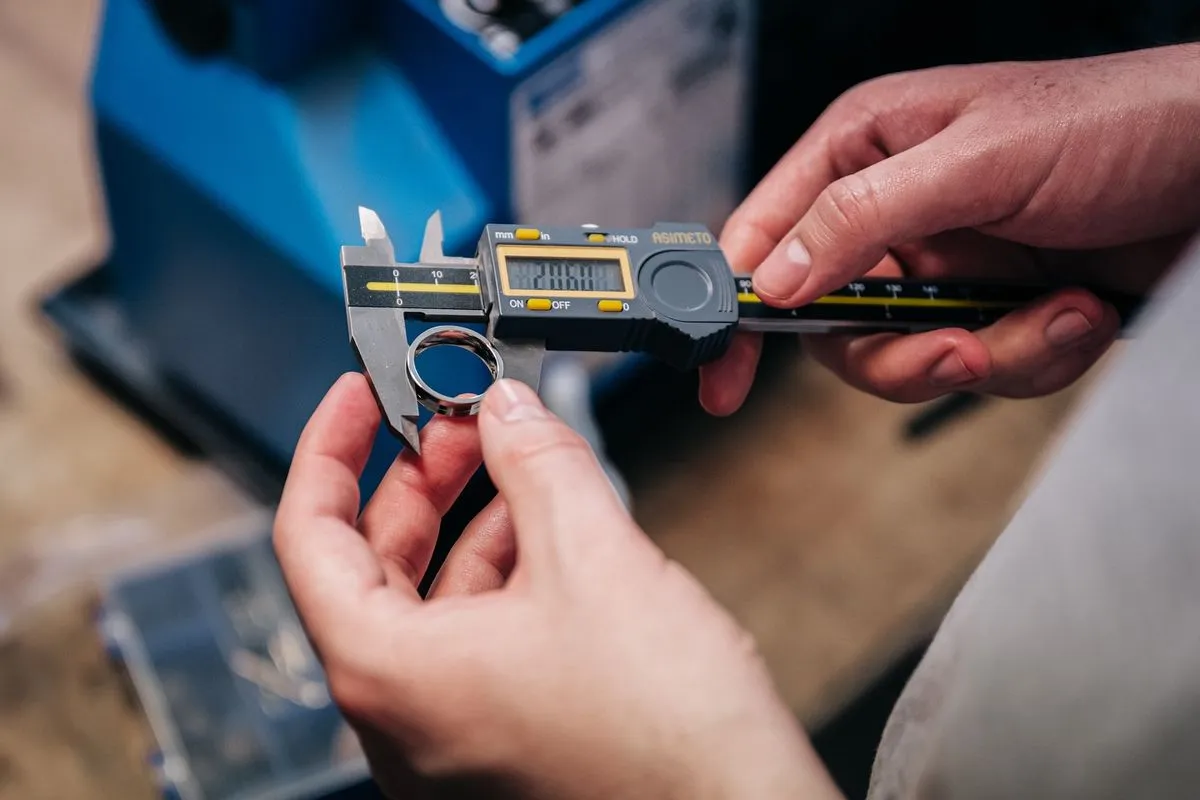
Smart calibration is about planning, data, and the right tools so you calibrate only what is needed, at the right time, with the right method. Done correctly, it reduces overtime, repeat visits, scrap, and audit risk while keeping your measurements accurate and compliant.
Problem: traditional calibration is expensive
Many plants still treat calibration as a tick-box exercise: same interval for every instrument, no data, and last-minute rush before audits. This leads to:
- Unnecessary calibrations on stable instruments, wasting time and money.
- Emergency shutdowns when a critical device fails because no one saw the drift coming.
- Extra scrap, rework, and customer complaints when bad readings are discovered late.
- Stress before ISO/Aramco audits because documentation is scattered in paper files.
The goal of a smart strategy is to keep all the quality and compliance, while removing this hidden waste.
Strategy 1: risk‑based calibration intervals
Instead of giving every instrument the same 6 or 12‑month interval, a smart program uses risk and history to decide when to calibrate.
- Critical vs non‑critical: Shorter intervals for safety, custody transfer, and product‑quality instruments; longer intervals for low‑risk devices.
- Data‑driven intervals: If a device stays within tolerance over several cycles, the interval can be extended safely, reducing total calibrations per year.
- Condition‑based checks: Smart and wireless instruments can flag drift or self‑diagnostic alerts, so you act when the data shows a problem, not just because the calendar says so.
This approach cuts unnecessary work while keeping high‑risk points under tight control.
Strategy 2: integrate calibration with maintenance
In many facilities, calibration, maintenance, and production planning work in silos, which increases downtime. A smart strategy links them together.
- Calibrate during planned shutdowns and changeovers instead of creating extra stoppages.
- Combine calibration with routine maintenance (gasket changes, filters, valve checks) so one visit covers multiple tasks.
- Use an asset management or CMMS system to schedule and track all activities on each tag, so nothing is missed and there is a full history for audits.
By aligning calibration with maintenance windows, you reduce production losses and emergency call‑outs.
Strategy 3: use digital calibration management
Paper certificates and manual Excel lists seem cheap but become very expensive when audits, errors, or lost records appear. Digital tools solve this.
- Automated documentation: Calibration software and self‑documenting calibrators capture results automatically, reducing human error and admin time.
- Central database: All instruments, certificates, and due dates are in one system, making audits faster and easier.
- Analytics: The system can highlight instruments that constantly fail, drift, or need frequent adjustment, guiding repair or replacement decisions instead of endless recalibration.
One large plant reported saving hundreds of thousands of dollars annually by reducing calibration time through automation and asset management.
Strategy 4: choose the right calibration partner
Cheap, non‑accredited calibration looks attractive on paper but often costs more through failed audits and poor product quality. A smart strategy focuses on value, not just price.
- Accredited and audit‑ready: A competent partner provides ISO/IEC‑traceable methods, uncertainty statements, and clean documentation that stand up in ISO and customer audits.
- On‑site options: On‑site calibration during shutdowns can reduce logistics cost, tool downtime, and production interruptions compared to sending all instruments out.
- Bundled services: Grouping instruments or signing a long‑term contract can bring better pricing per unit and more predictable budgets.
This reduces total cost of quality by lowering rework, claims, and audit penalties.
Strategy 5: leverage automation and smart tools
Smart factories and Industry 4.0 concepts are changing how calibration is done.
- Automated calibration stations: For plants with many similar devices, automated systems can calibrate faster and with less labour, cutting cost per instrument.
- Internal calibration benches: Dedicated in‑house benches allow more frequent, shorter calibrations with less downtime and lower external service costs.
- Real‑time monitoring: IoT sensors and analytics detect performance drift early, so issues are fixed before they cause scrap or shutdowns.
Case studies show companies cutting calibration‑related downtime and costs by up to half by introducing smart benches and internal capabilities.
Strategy 6: prevent failures instead of reacting
Skipping calibration looks like an easy saving until something goes wrong. The real costs then appear as:
- Batch rejections and rework due to out‑of‑tolerance measurements.
- Unplanned downtime to troubleshoot and replace damaged equipment.
- Failed regulatory or customer audits leading to penalties or lost contracts.
Well‑structured calibration programs turn this into predictable, planned spend instead of sudden, large losses.
What this means for your plant
For operations, maintenance, and quality teams, smart calibration is not only a compliance requirement; it is a practical way to protect margins. When risk‑based intervals, integrated planning, digital tools, and a reliable partner come together, plants see:
- Lower total calibration and maintenance spend over the year.
- Higher uptime and fewer surprises during production.
- Stronger audit performance and customer confidence in product quality.
If you want to review your current calibration program and identify where smart strategies can reduce operating costs without compromising quality, this is exactly where a specialized calibration partner like Prime Arabia can support your team.