

Water Quality Testing Companies in Jeddah
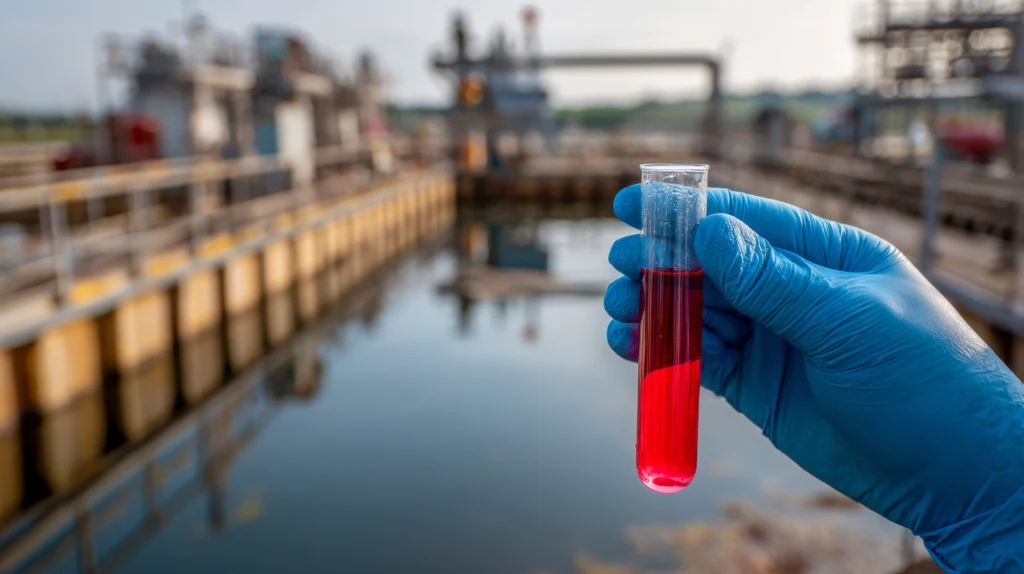
Water quality testing companies in Jeddah are involved in assessing water used across industrial systems, commercial facilities, and public supply networks to ensure it meets required quality benchmarks. In a region where desalinated water is widely distributed and industrial usage is increasing, continuous monitoring of water characteristics is necessary to maintain both operational efficiency and regulatory compliance.
Rather than relying only on visual or basic checks, laboratory-based analysis is carried out to determine the chemical composition, microbial presence, and physical condition of water samples. These evaluations help identify contamination risks, imbalance in mineral content, and conditions that may affect system performance or human safety.
Testing operations are supported by calibrated laboratory instruments, with measurement systems verified through
Analytical Calibration to maintain consistency and traceability in results.
How Water Quality is Evaluated
Water testing involves multiple layers of analysis depending on its intended use. Chemical assessment focuses on dissolved solids, hardness levels, and the presence of unwanted compounds. Microbiological testing is used to detect bacteria and pathogens that may compromise safety.
In industrial environments, additional parameters are evaluated to understand scaling potential, corrosion behavior, and compatibility with process systems. Each test is performed under controlled conditions to ensure that results accurately reflect real usage scenarios.
To support measurement stability, testing environments are aligned with Temperature, Pressure & Electrical Calibration
ensuring instruments operate within defined limits during analysis.
Where Water Testing is Applied in Jeddah
Water testing requirements in Jeddah vary based on sector and application. Industrial facilities require routine analysis of process and cooling water to avoid equipment damage and maintain efficiency. Construction projects use water testing to verify compliance before integrating water into structural or operational systems.
Healthcare environments depend on controlled water quality for hygiene and safety, while commercial buildings require periodic monitoring of potable water systems. Marine and port-related operations also require testing to meet environmental and operational requirements.
Across these applications, accuracy in measurement is maintained through Analytical Calibration to ensure reliable and repeatable outcomes.
Testing Approach and Laboratory Analysis
The testing process begins with sample collection under controlled conditions to avoid contamination. Samples are then analyzed using laboratory instruments designed to measure specific parameters with precision.
Each stage of testing is monitored to ensure consistency, and results are validated before reporting. The use of calibrated instruments ensures that measurement deviations are minimized and data remains reliable.
This structured approach allows testing results to be used confidently for operational decisions, compliance verification, and system optimization.
Regulatory Alignment in Saudi Arabia
Water testing activities in Saudi Arabia are carried out within established regulatory frameworks that define acceptable limits and testing procedures. These frameworks are recognized by organizations such as the Saudi Standards, Metrology and Quality Organization (SASO) and the Saudi Accreditation Center (SAC).
In Jeddah, testing is often required to meet compliance obligations related to potable water safety, industrial discharge, and environmental monitoring. Meeting these requirements ensures that water usage aligns with both operational standards and regulatory expectations.
Measurement traceability is supported through calibration systems aligned with ISO/IEC 17025 practices.
Reporting and Data Validation
Water quality testing results are documented in structured reports that include analysis findings, testing conditions, and reference standards. These reports are used for compliance verification, operational monitoring, and audit purposes.
Data accuracy depends on both testing methodology and calibration of instruments used during analysis. Organizations that maintain traceable measurement systems are better positioned to meet regulatory and operational requirements.
Integration with Analytical Calibration supports consistency across all testing and reporting activities.
Why Water Testing Matters in Jeddah
Water quality directly impacts system performance, safety, and long-term sustainability. In Jeddah, where water is extensively used across industries and public systems, maintaining controlled quality levels is essential.
Testing provides visibility into water conditions, allowing corrective actions to be taken before issues escalate. This helps maintain operational stability and ensures compliance with required standards.
Frequently Asked Questions
What does water quality testing include?
Water quality testing involves analyzing chemical, physical, and microbiological parameters such as pH, total dissolved solids, hardness, and bacterial presence to determine whether water is safe for use.
Why is water quality testing important in Jeddah?
In Jeddah, where desalinated water is widely used, regular testing is necessary to ensure water remains safe for industrial processes, commercial use, and human consumption.
How often should water testing be conducted?
Testing frequency depends on the application. Industrial systems may require regular monitoring, while drinking water systems are typically tested periodically to ensure compliance with safety standards.
What industries require water quality testing in Jeddah?
Water testing is required in industries such as manufacturing, construction, healthcare, hospitality, and marine operations where water quality directly affects performance and safety.
What happens if water fails quality standards?
If water does not meet required standards, corrective actions such as filtration, chemical treatment, or system cleaning are implemented before the water is used.
How is accuracy ensured during water testing?
Accuracy is maintained through the use of calibrated laboratory instruments, controlled testing procedures, and proper sample handling methods.
What type of reports are provided after testing?
Testing reports include detailed analysis results, parameter values, compliance status, and recommendations based on the findings.
