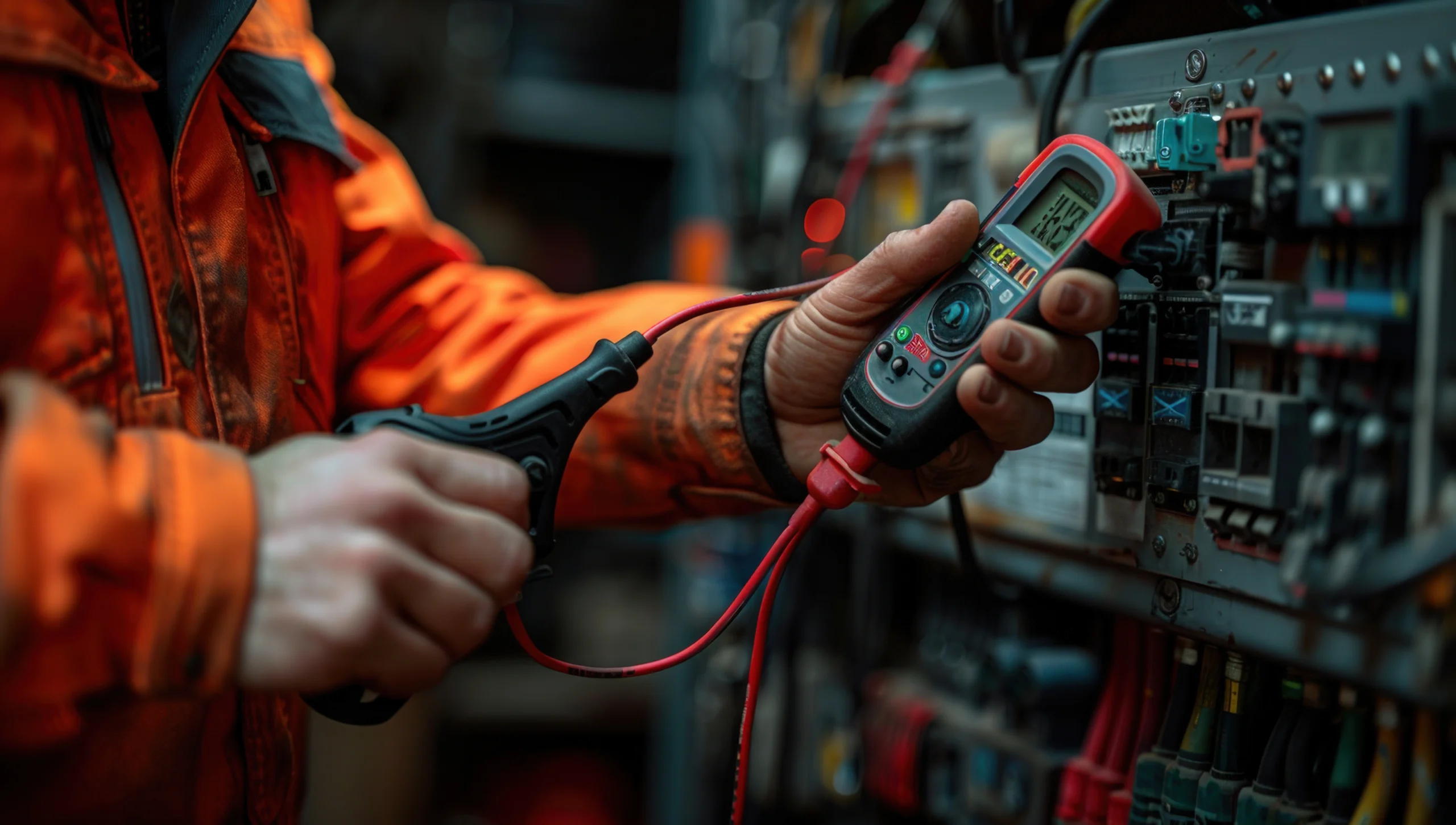
Industrial machines are designed to work with accuracy, consistency, and reliable performance. In industries such as manufacturing, oil and gas, power generation, fabrication, construction, and processing, machines must give correct results every time. Even a small measurement error can affect product quality, equipment performance, workplace safety, and compliance with industry standards.
Most industrial machines depend on sensors, gauges, controllers, meters, and measuring instruments to monitor important operating conditions. These instruments measure values such as pressure, temperature, flow, electrical output, torque, dimensions, and other process readings. When these readings are accurate, the entire operation runs smoothly and safely.
However, over time, machines and instruments may slowly lose their accuracy. This is known as measurement drift. In many cases, this change is not easy to notice at first. The machine may continue working, and the process may look normal. But even a small difference in measurement can gradually lead to quality problems, process errors, equipment issues, and safety risks.
This is why industrial machine calibration is very important. Calibration helps check whether machines and measuring instruments are giving correct readings. If any error is found, the equipment can be adjusted or corrected to bring it back within the required accuracy limits.
Regular calibration helps industries maintain reliable operations, improve product quality, reduce equipment problems, and meet required standards. It is not just a maintenance activity; it is an important process that helps companies keep their machines accurate, safe, and dependable.
What Is Industrial Machine Calibration?
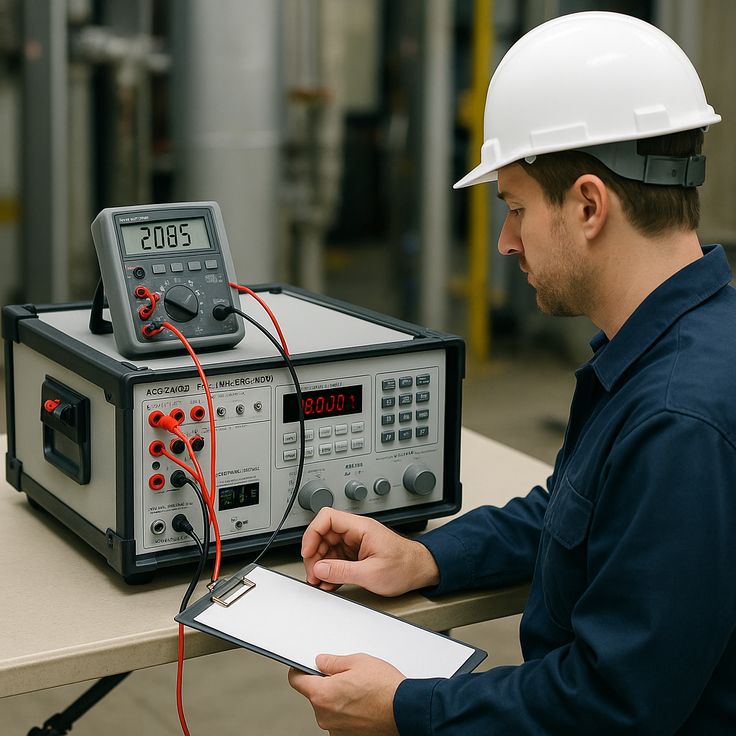
Industrial machine calibration is the process of comparing the readings of a machine, instrument, or measuring device against a certified reference standard. The purpose is to identify whether the equipment is producing accurate measurements or whether there is a deviation from the accepted value.
If the equipment readings fall outside the required tolerance, adjustments or corrections are made to restore accuracy. After calibration, the results are documented through calibration records or certificates, which provide proof that the equipment has been tested and verified.
Calibration can be performed on many types of industrial equipment, including pressure instruments, temperature devices, electrical meters, dimensional tools, mechanical equipment, process instruments, and other precision measuring systems.
Why Industrial Machine Calibration Is Important
Industrial environments are demanding. Machines and instruments are often exposed to continuous operation, vibration, temperature changes, pressure, dust, moisture, and harsh working conditions. Over time, these factors can cause measurement drift.
Measurement drift occurs when an instrument slowly moves away from its original accuracy. The machine may still appear to be working correctly, but the readings may no longer reflect the true operating condition.
For example, a pressure gauge that gives an incorrect reading can affect process safety. A temperature controller with inaccurate values can impact product quality. An inspection instrument that is not calibrated may lead to wrong quality decisions. These issues can remain unnoticed until they begin causing operational problems.
Regular calibration helps detect and correct these errors before they affect performance, safety, or compliance.
Key Benefits of Industrial Machine Calibration
1. Improved Measurement Accuracy
The main goal of calibration is to maintain accurate measurements. Reliable measurements allow operators, engineers, and quality teams to make informed decisions with confidence.
When machines and instruments are calibrated properly, production, testing, inspection, and maintenance activities become more dependable.
2. Better Product Quality
Product quality depends on controlled and consistent processes. If measurement equipment is inaccurate, products may fail to meet required specifications.
Calibration helps ensure that machines operate within defined tolerances. This reduces defects, improves consistency, and supports better quality control throughout the production cycle.
3. Reduced Process Variability
Inaccurate measurements can cause process conditions to fluctuate without being noticed. This can lead to inconsistent output, material waste, and reduced efficiency.
Calibration helps reduce process variation by ensuring that measurements remain stable, repeatable, and reliable. As a result, organizations can maintain better control over their operations.
4. Increased Equipment Reliability
Machines perform better when they are monitored by accurate instruments. Calibration helps confirm that sensors, gauges, controllers, and measuring devices are functioning correctly.
By identifying measurement drift early, companies can prevent small issues from developing into larger equipment problems.
5. Improved Workplace Safety
Safety in industrial environments often depends on accurate readings. Pressure systems, electrical equipment, temperature-controlled processes, and automated systems all require reliable measurement data.
Calibration helps reduce safety risks by ensuring that equipment responds correctly to actual operating conditions. This protects employees, equipment, and the overall work environment.
6. Stronger Compliance and Audit Readiness
Many industries must meet quality standards, regulatory requirements, and customer specifications. Calibration records provide documented evidence that equipment accuracy has been verified.
These records are important during inspections, audits, certifications, and client reviews. A strong calibration program helps organizations demonstrate compliance and maintain trust.
7. Lower Operational Costs
Ignoring calibration can lead to hidden costs such as rejected products, rework, equipment damage, production delays, and failed inspections.
Regular calibration helps prevent these problems by improving accuracy, reducing errors, and supporting smooth operations. Over time, this can result in significant cost savings.
The Industrial Machine Calibration Process
Although calibration methods vary depending on the type of equipment, most calibration processes follow a structured approach.
1. Equipment Identification
The first step is to identify the equipment that requires calibration. Details such as equipment name, model number, serial number, location, measuring range, and required tolerance are recorded.
This ensures proper tracking and documentation.
2. Initial Inspection
Before calibration begins, the machine or instrument is inspected for visible damage, wear, contamination, or other issues that may affect performance.
If the equipment is damaged, repair or servicing may be required before calibration can be completed.
3. Comparison With Reference Standards
The equipment readings are compared with certified reference standards. These standards have known accuracy and are used as a benchmark to evaluate the performance of the equipment being tested.
4. Measurement and Analysis
Readings are taken at different points within the equipment’s operating range. The results are analyzed to determine whether the equipment is within the required tolerance limits.
5. Adjustment and Correction
If the readings are outside acceptable limits, adjustments are made where possible. The purpose is to bring the equipment back to the required level of accuracy.
After adjustment, the equipment is tested again to confirm that it is performing correctly.
6. Final Verification
Final verification is performed to ensure that the equipment now delivers accurate and repeatable results. This step confirms that the calibration process has been completed successfully.
7. Documentation and Certification
The results are recorded in a calibration report or certificate. This document may include equipment details, calibration date, test results, reference standards used, technician information, tolerance limits, and the recommended next calibration date.
Calibration certificates are important for traceability, compliance, and audit preparation.
On-Site Calibration and Laboratory Calibration
Industrial calibration can be carried out either on-site or in a laboratory, depending on the equipment and operational requirements.
On-Site Calibration
On-site calibration is performed at the customer’s facility. It is suitable for large machines, fixed systems, and instruments that are difficult to transport.
This option helps reduce downtime and allows companies to continue operations with minimal disruption.
Laboratory Calibration
Laboratory calibration is performed in a controlled environment using specialized calibration equipment. It is ideal for instruments that require high accuracy, detailed testing, or stable environmental conditions.
Both methods are valuable, and the right choice depends on the type of equipment, accuracy requirements, and industry standards.
Best Practices for Effective Machine Calibration
1. Follow a Regular Calibration Schedule
Every machine and measuring instrument should have a defined calibration interval. This schedule should be based on equipment usage, manufacturer recommendations, operating conditions, and industry requirements.
Critical equipment may require more frequent calibration.
2. Maintain Proper Calibration Records
Accurate records help organizations track equipment performance, plan future calibration, and prepare for audits.
Calibration certificates, service reports, adjustment details, and due dates should be stored and managed properly.
3. Prioritize Critical Equipment
Some equipment has a direct impact on safety, quality, or production performance. These machines and instruments should be given higher priority in the calibration program.
Prioritizing critical equipment helps reduce operational risks.
4. Monitor Equipment Between Calibration Intervals
Calibration should not be the only time equipment performance is checked. Operators should monitor instruments regularly and report unusual readings, unstable values, or unexpected performance changes.
Early detection helps prevent bigger issues.
5. Work With Qualified Calibration Professionals
Calibration should be performed by trained technicians using certified reference standards and approved procedures.
Working with experienced calibration professionals ensures accurate results, proper documentation, and compliance with relevant standards.
6. Include Calibration in Preventive Maintenance
Calibration works best when it is part of a broader preventive maintenance strategy. Combining calibration with regular maintenance helps improve equipment reliability, reduce downtime, and extend machine life.
Calibration as a Long-Term Investment
As industries become more automated and quality standards become more demanding, measurement accuracy is more important than ever. Companies cannot rely on assumptions when it comes to machine performance.
Reliable measurements support reliable operations. They help improve quality, strengthen maintenance planning, enhance safety, and support compliance.
For this reason, calibration should not be seen as a routine technical task only. It should be viewed as a long-term investment in operational performance, efficiency, and business reliability.
Professional Calibration Services by Prime Innovation
Prime Innovation provides professional calibration solutions to help industries maintain measurement accuracy, equipment reliability, and compliance.
Our calibration services include:
- Electrical Calibration
- Pressure Calibration
- Temperature Calibration
- Dimensional Calibration
- Mechanical Calibration
- Process Instrument Calibration
With standards-driven calibration services, Prime Innovation supports organizations across different industrial sectors by helping them maintain accurate measurements, improve operational performance, and meet quality requirements.
Conclusion
Industrial machine calibration plays a vital role in maintaining accurate measurements, consistent performance, and safe operations. Without regular calibration, measurement drift can affect product quality, process control, equipment reliability, and compliance readiness.
A structured calibration program helps organizations prevent errors, reduce risks, improve efficiency, and maintain confidence in their equipment.
For industries that depend on precision and reliability, calibration is not just a maintenance requirement. It is an essential part of achieving long-term operational success.
Professional Industrial Machine Calibration Prime Innovation
At Prime Innovation, we provide professional industrial machine calibration solutions designed to support measurement accuracy, equipment reliability, and compliance readiness across critical industries.
Our calibration expertise includes:
- Electrical Calibration
- Pressure Calibration
- Temperature Calibration
- Dimensional Calibration
- Mechanical Calibration
- Process Instrument Calibration
We help industries maintain accurate measurements, traceable documentation, operational consistency, and compliance with international standards through reliable and standards-driven calibration services.