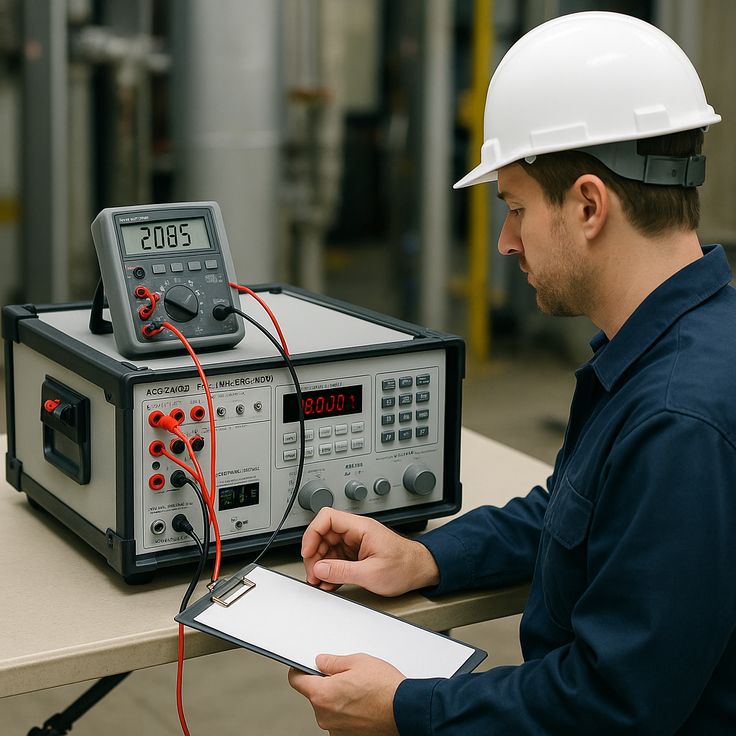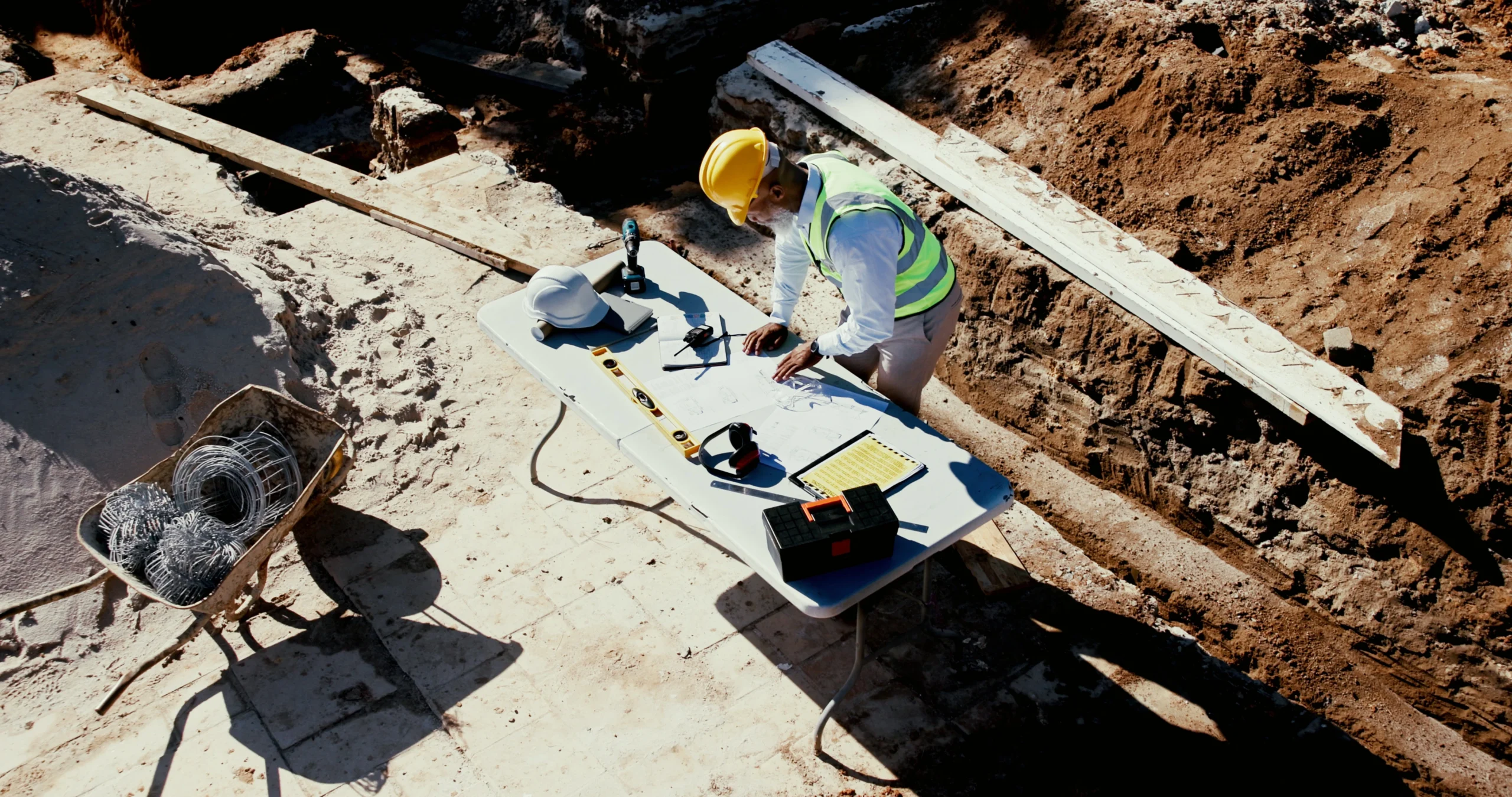
Modern construction projects depend on more than quality materials and skilled workmanship. The durability and structural reliability of any construction project depend on a clear understanding of site conditions and the quality of the materials incorporated during construction. This is where soil testing and concrete testing play a critical role.
From residential developments and commercial buildings to industrial facilities, infrastructure projects, bridges, roads, and utility installations, civil testing provides valuable data that helps engineers, contractors, and project owners make informed decisions. Accurate testing helps identify potential risks, verify design assumptions, maintain construction quality, and support compliance with project specifications and industry standards.
As construction projects become more complex and quality requirements continue to increase, reliable soil and concrete testing have become essential components of successful project execution.
What Is Civil Testing?
Civil testing refers to the evaluation and analysis of construction materials, ground conditions, and structural elements to determine their suitability, strength, performance, and compliance with project requirements.
Among the most important areas of civil testing are soil testing and concrete testing. These tests provide engineers with the information needed to design safe foundations, select appropriate construction methods, verify material quality, and ensure structural integrity throughout the project lifecycle.
Without proper testing, construction projects may face challenges related to settlement, structural instability, material failure, increased maintenance costs, and reduced service life.
Understanding Soil Testing
Soil is the foundation of every construction project. Evaluating soil conditions before construction is a critical step, as the properties of the ground play a significant role in supporting structural integrity and long-term performance.
Why Soil Testing Is Important
Every construction site has unique soil conditions. Key soil properties, including composition, moisture levels, density, load-bearing capability, and settlement behavior, are important considerations when designing foundations and assessing structural performance.
Proper soil testing helps:
- Assess soil strength and stability
- Determine bearing capacity
- Evaluate settlement potential
- Identify unsuitable ground conditions
- Support foundation design decisions
- Reduce construction risks
- Improve long-term structural performance
- Support project planning and cost control
By understanding soil behavior before construction begins, engineers can develop safer and more efficient foundation solutions.
Common Soil Tests Used in Construction
Various testing procedures are conducted to examine soil characteristics and assess the suitability of site conditions for construction activities.
Moisture Content Test
This test determines the amount of water present within the soil. Moisture levels influence soil strength, compaction performance, and overall stability.
Particle Size Distribution Analysis
Also known as sieve analysis, this test evaluates the distribution of soil particles and helps classify soil types.
Atterberg Limits Test
This procedure evaluates the plastic properties of fine-grained soils, providing insight into how they may respond to changes in moisture content.
Compaction Test
Compaction testing evaluates how soil density changes with varying moisture levels, providing valuable information for effective site preparation and foundation support.
California Bearing Ratio (CBR) Test
The CBR test evaluates the load-bearing capacity of soil and is commonly used in road construction and pavement design.
Soil Bearing Capacity Test
This test determines the soil’s ability to support structural loads without excessive settlement or failure.
Field Density Test
Field density testing verifies that soil compaction meets project specifications and design requirements.
Understanding Concrete Testing
Concrete serves as a fundamental building material in modern construction projects due to its strength, versatility, and durability. The performance and durability of buildings, bridges, roads, industrial facilities, and infrastructure projects depend heavily on the quality of the concrete used.
Concrete testing is carried out to confirm that the material achieves the strength, durability, and performance criteria defined in the project specifications and design requirements.
Testing is performed throughout various stages of construction to ensure consistency and quality.
Why Concrete Testing Is Important
Concrete quality can be influenced by material proportions, mixing practices, transportation, placement methods, curing conditions, and environmental factors.
Regular testing helps:
- Verify concrete strength
- Confirm compliance with specifications
- Identify quality issues early
- Improve construction quality control
- Support structural integrity
- Reduce the risk of costly rework
- Enhance long-term durability
- Support project acceptance requirements
Reliable testing ensures that concrete performs as intended throughout the service life of the structure.
Common Concrete Tests Used in Construction
Different testing methods are used to evaluate fresh and hardened concrete.
Slump Test
The slump test measures the workability and consistency of fresh concrete before placement.
This test helps verify whether the concrete mix is suitable for the intended application.
Concrete Compressive Strength Test
One of the most important concrete tests, compressive strength testing evaluates the ability of concrete to withstand applied loads.
Concrete cube or cylinder samples are tested at specified curing intervals to verify strength development.
Concrete Density Test
Density testing helps assess the quality and uniformity of concrete.
Air Content Test
Air content testing determines the amount of entrained air within fresh concrete, which can influence durability and freeze-thaw resistance.
Water Absorption Test
This test evaluates the permeability characteristics of hardened concrete and helps assess durability performance.
Non-Destructive Testing (NDT)
Non-destructive testing methods such as rebound hammer testing and ultrasonic pulse velocity testing help evaluate concrete quality without damaging the structure.
The Role of Soil and Concrete Testing in Construction Projects
Successful construction projects rely on accurate information from both soil and concrete testing programs.
Soil testing provides engineers with critical data needed for foundation design, site preparation, and geotechnical assessment. Concrete testing helps verify material quality, construction workmanship, and structural performance.
Together, these testing activities help:
- Improve construction quality
- Enhance structural safety
- Support engineering decisions
- Verify compliance with specifications
- Reduce project risks
- Improve long-term performance
- Support regulatory and contractual requirements
Testing data serves as a foundation for informed decision-making throughout the construction process.
Quality Control Through Civil Testing
Quality control is a critical component of modern construction projects. Testing programs help ensure that construction materials and site conditions meet project expectations before they become part of the finished structure.
An effective quality control program typically includes:
- Material verification
- Site investigation
- Construction monitoring
- Compliance testing
- Performance evaluation
- Documentation and reporting
Regular testing allows project teams to identify issues early and implement corrective actions before they affect project outcomes.
Civil Testing and Industry Standards
Construction projects often require compliance with national and international standards, project specifications, and regulatory requirements.
Professional testing laboratories follow recognized testing procedures and established methodologies to ensure reliable and repeatable results.
Testing programs may support compliance with standards related to:
- Construction quality control
- Material performance verification
- Structural design requirements
- Infrastructure development
- Engineering specifications
- Project acceptance criteria
Accurate testing data contributes to greater confidence in project quality and performance.
Why Professional Civil Testing Matters
Construction projects involve significant investments, technical requirements, and safety considerations. Decisions based on inaccurate or incomplete testing data can lead to costly delays, structural issues, and quality concerns.
Working with experienced testing professionals helps ensure:
- Accurate test results
- Reliable reporting
- Proper testing procedures
- Consistent quality control
- Improved project confidence
- Better risk management
- Compliance support
- Long-term structural reliability
Professional testing services provide the technical information needed to support successful project execution.
Conclusion
Soil testing and concrete testing are essential components of modern construction and infrastructure development. They provide the technical data needed to evaluate ground conditions, verify material performance, support engineering decisions, and maintain construction quality.
By identifying potential issues early and verifying compliance with project requirements, civil testing helps improve structural safety, reduce construction risks, and support long-term performance.
Whether constructing a commercial building, industrial facility, highway, bridge, or infrastructure project, reliable soil and concrete testing remain fundamental to achieving durable, safe, and successful construction outcomes.