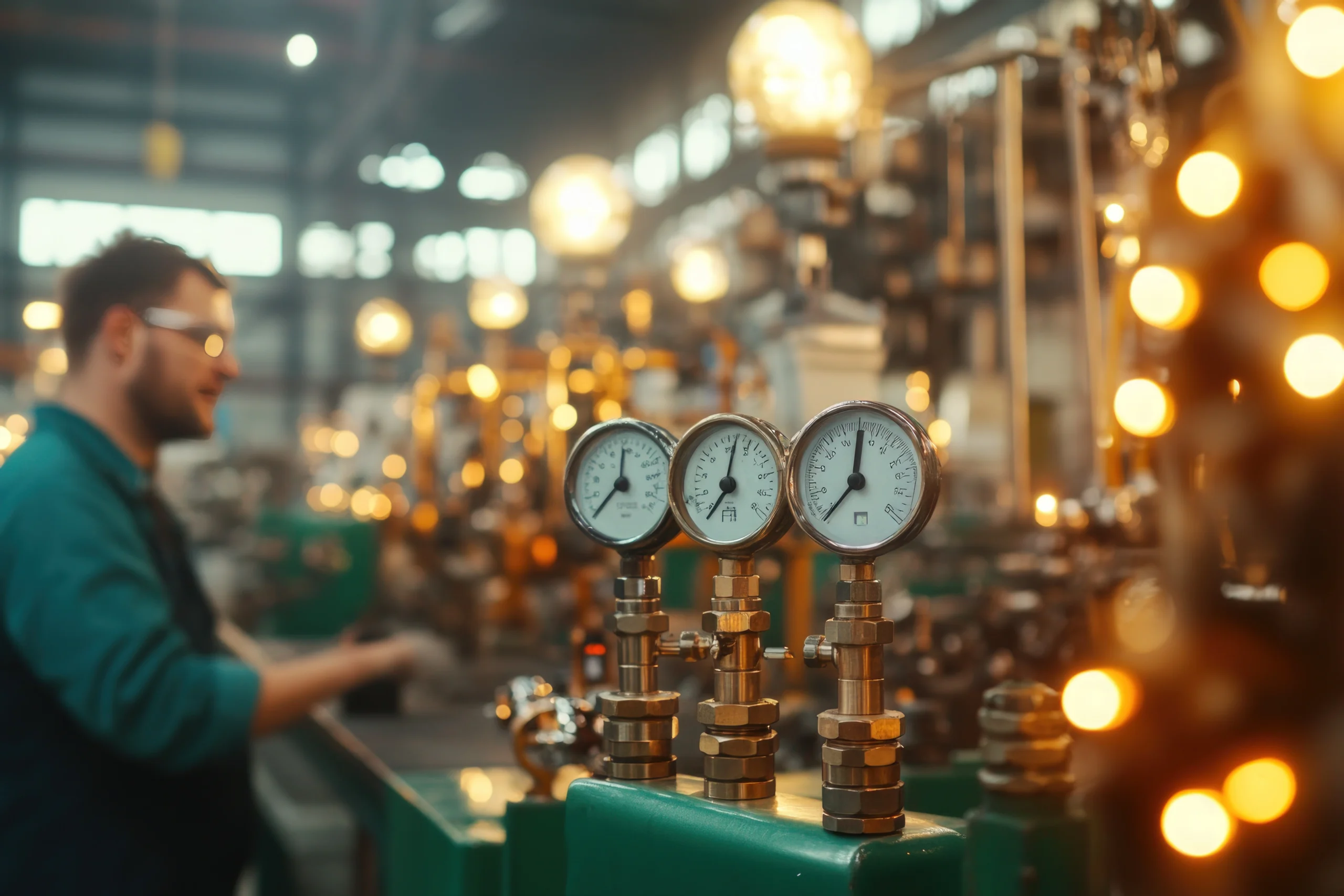
Pressure is one of the most critical parameters monitored across industrial facilities. From oil and gas plants and manufacturing units to chemical processing facilities, power stations, and water treatment plants, pressure gauges help operators monitor equipment performance and maintain safe operating conditions. Every decision based on a pressure reading depends on one essential factor accuracy.
However, pressure gauges do not remain accurate forever. Continuous operation, vibration, temperature fluctuations, harsh environments, and mechanical wear gradually cause measurement drift. Even a small deviation can result in inaccurate readings that affect product quality, reduce equipment efficiency, increase operational costs, and create serious safety risks.
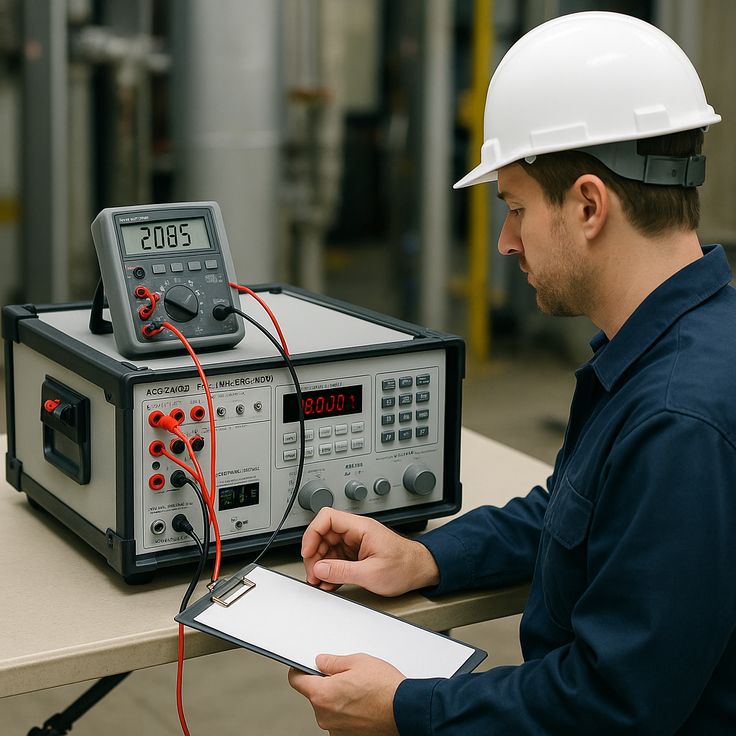
This is where pressure gauge calibration becomes essential. Calibration verifies that a pressure gauge is measuring within its specified tolerance by comparing it with a certified reference standard. Regular calibration helps industries maintain reliable measurements, improve process control, comply with international standards, and protect both personnel and equipment.
Why Pressure Gauge Accuracy Matters
Industrial operations rely on accurate pressure measurements to control production processes, monitor equipment health, and ensure safe working conditions. When pressure readings become inaccurate, operators may unknowingly make incorrect decisions that affect the entire system.
An improperly calibrated pressure gauge may lead to:
- Equipment operating outside safe pressure limits
- Product quality inconsistencies
- Unexpected equipment failures
- Higher maintenance costs
- Increased energy consumption
- Regulatory non-compliance
- Safety hazards for employees
Even if a gauge appears to function normally, hidden measurement errors can gradually impact operational performance. Regular calibration ensures every reading remains dependable.
Even minor pressure measurement errors can gradually affect multiple stages of an industrial process without being immediately noticed. In automated production environments, control systems rely on accurate pressure data to regulate valves, pumps, compressors, and other critical equipment. When a pressure gauge provides incorrect readings, the entire control process may operate inefficiently, leading to inconsistent production, increased equipment stress, and unnecessary operational expenses. Regular calibration helps maintain confidence in measurement data, allowing operators to make informed decisions based on accurate process conditions while reducing the likelihood of unexpected production interruptions.
How Pressure Gauge Calibration Enhances Industrial Safety
Industrial safety depends on accurate monitoring of critical process conditions. Pressure gauges installed on boilers, pipelines, compressors, storage tanks, hydraulic systems, and process vessels provide operators with real-time information needed to prevent unsafe conditions.
When pressure gauges drift beyond acceptable limits, they may fail to indicate dangerous overpressure or underpressure situations. This increases the risk of equipment damage, leaks, process interruptions, or accidents.
Regular pressure gauge calibration improves safety by:
- Detecting inaccurate pressure readings before they become hazardous
- Preventing equipment overload and pressure-related failures
- Supporting safe operation of critical process equipment
- Improving confidence during routine inspections
- Helping organizations meet workplace safety requirements
Reliable measurements allow maintenance teams to respond to actual operating conditions instead of relying on incorrect instrument readings.
Improving Process Efficiency Through Accurate Measurements
Industrial efficiency depends on maintaining stable and controlled processes. Pressure measurements directly influence production quality, equipment performance, and energy consumption.
When pressure gauges provide accurate readings, operators can optimize system performance and maintain consistent operating conditions.
Pressure gauge calibration supports process efficiency by:
- Maintaining stable production parameters
- Reducing unnecessary equipment adjustments
- Improving energy efficiency
- Minimizing production downtime
- Supporting predictive maintenance programs
- Reducing material waste caused by process variations
Accurate measurements enable facilities to achieve consistent performance while lowering operational costs.
Pressure gauge calibration also supports long-term equipment reliability by helping maintenance teams identify gradual instrument drift before it impacts production. Historical calibration records enable organizations to monitor instrument performance over time, determine suitable calibration intervals, and replace aging gauges before significant measurement errors occur. This preventive maintenance approach minimizes unplanned downtime, improves asset management, and ensures pressure monitoring systems continue to perform accurately throughout their service life. As industrial facilities increasingly adopt automation and digital monitoring systems, maintaining accurate pressure measurements becomes even more important for achieving stable, efficient, and reliable operations.
Supporting Quality Assurance and Regulatory Compliance
Many industries operate under strict quality and regulatory requirements where measurement accuracy is mandatory. Pressure gauges used in production, testing, laboratories, and safety systems must be calibrated regularly to demonstrate traceability and compliance.
Routine calibration helps organizations:
- Meet ISO and industry-specific quality requirements
- Maintain calibration records for audits
- Demonstrate measurement traceability
- Improve inspection readiness
- Reduce the risk of non-conformance during quality assessments
Proper documentation also allows organizations to monitor instrument performance over time and determine appropriate calibration intervals.
Common Industries That Require Pressure Gauge Calibration
Pressure gauge calibration plays an important role across numerous industrial sectors where accurate pressure measurement directly affects operational reliability.
Industries that commonly rely on calibrated pressure gauges include:
- Oil and Gas
- Petrochemical Processing
- Manufacturing
- Power Generation
- Water and Wastewater Treatment
- Food and Beverage Processing
- Pharmaceutical Manufacturing
- HVAC Systems
- Engineering and Construction
- Industrial Laboratories
In each of these industries, accurate pressure measurements contribute to safer operations, better product quality, and improved process control.
Signs Your Pressure Gauges May Need Calibration
Pressure gauges gradually lose accuracy due to normal operating conditions. Identifying calibration needs before significant errors develop helps prevent costly operational issues.
Common warning signs include:
- Readings fluctuate unexpectedly
- Gauge does not return to zero after use
- Measurements differ from other instruments
- Physical damage or vibration exposure
- Long periods since previous calibration
- Equipment has experienced pressure overload
- Failed quality inspections or audits
Following a preventive calibration schedule is more effective than waiting until measurement problems become visible.
Why Choose Prime Innovation for Pressure Gauge Calibration
At Prime Innovation, we provide professional pressure calibration services designed to support industrial accuracy, safety, and operational reliability across Saudi Arabia. Our experienced calibration specialists use advanced reference standards and internationally recognized procedures to verify instrument performance with precision.
Our pressure calibration solutions include:
- ISO/IEC 17025-aligned calibration procedures
- On-site and laboratory calibration services
- Traceable calibration certificates
- Fast turnaround times
- Experienced technical professionals
- Support for a wide range of industrial pressure instruments
Whether serving manufacturing facilities, energy projects, laboratories, or process industries, we help organizations maintain confidence in every pressure measurement.
Build Safer and More Efficient Operations with Regular Pressure Gauge Calibration
Pressure gauge calibration is more than a maintenance requirement—it is a critical investment in industrial safety, process stability, and operational efficiency. Accurate pressure measurements reduce risk, improve equipment performance, support compliance, and help organizations achieve consistent production results.
As Saudi Arabia continues to expand its industrial capabilities under Vision 2030, maintaining reliable measurement systems is becoming increasingly important. Partnering with an experienced calibration provider like Prime Innovation ensures your pressure instruments remain accurate, compliant, and ready to support safe and efficient operations every day.