How Calibration Intervals Affect Equipment Performance and Reliability
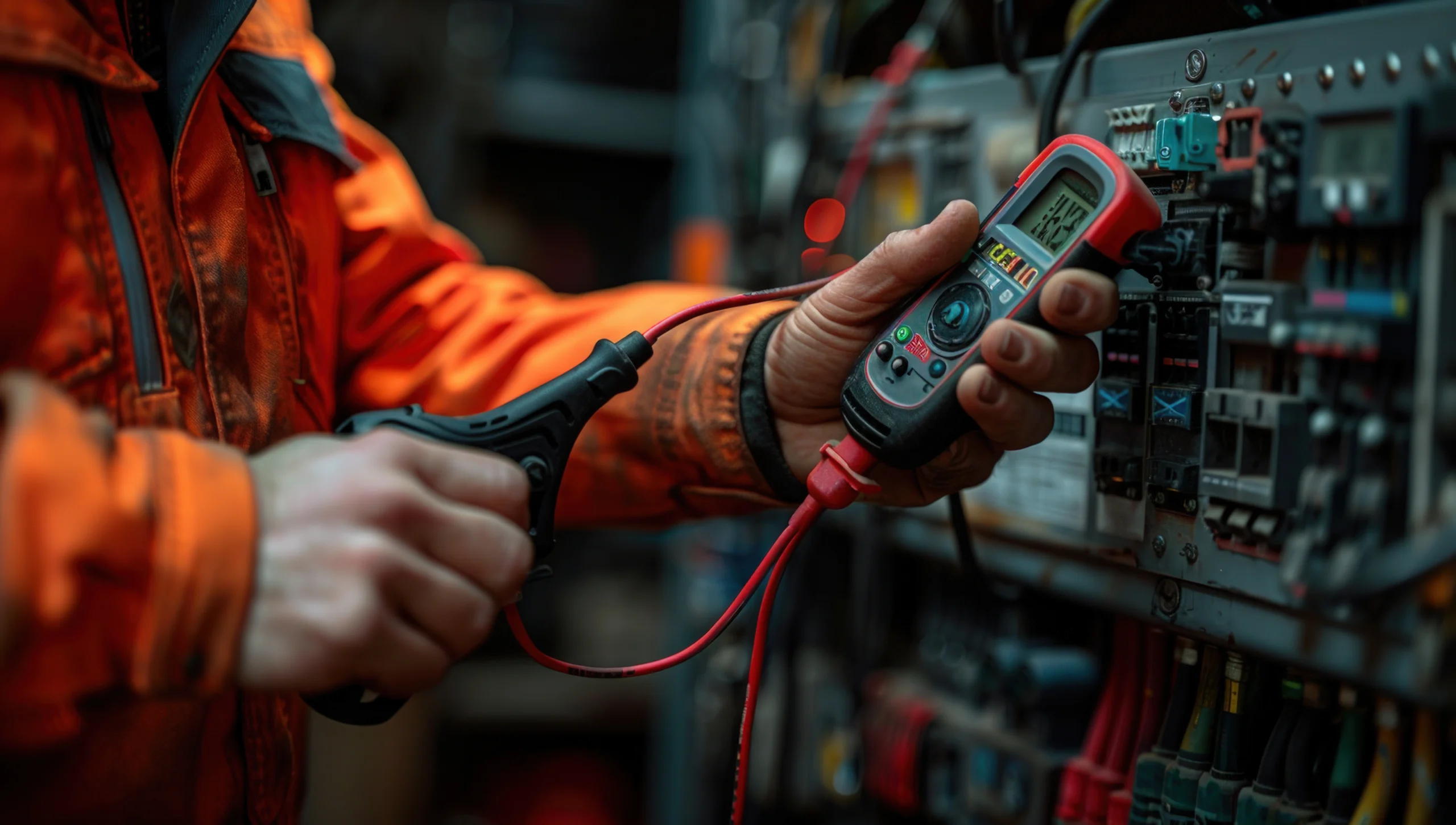
In industrial operations, measurement accuracy directly influences performance, safety, and output quality. Instruments such as pressure gauges, temperature sensors, flow meters, and electrical devices play a critical role in maintaining process stability.
However, the accuracy of these instruments does not remain constant over time.
Calibration intervals define how frequently instruments are verified and adjusted to ensure they operate within acceptable tolerances. When these intervals are not properly managed, measurement drift can go unnoticed, leading to performance issues and reduced reliability across systems.
What Are Calibration Intervals?
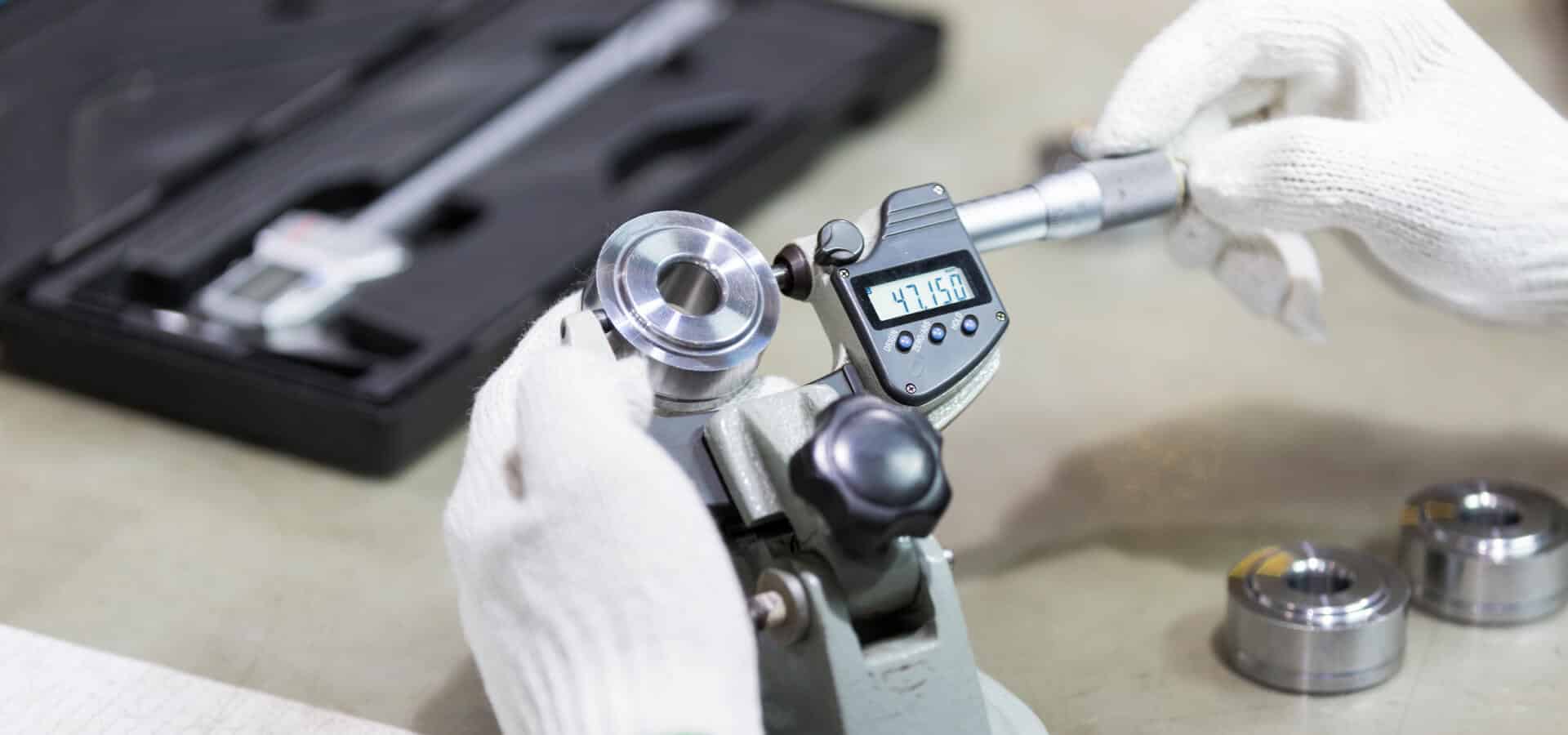
Calibration intervals refer to the scheduled frequency at which instruments are tested and adjusted against traceable standards. These intervals are not fixed universally. They depend on several factors, including operating conditions, instrument type, usage frequency, and required accuracy levels.
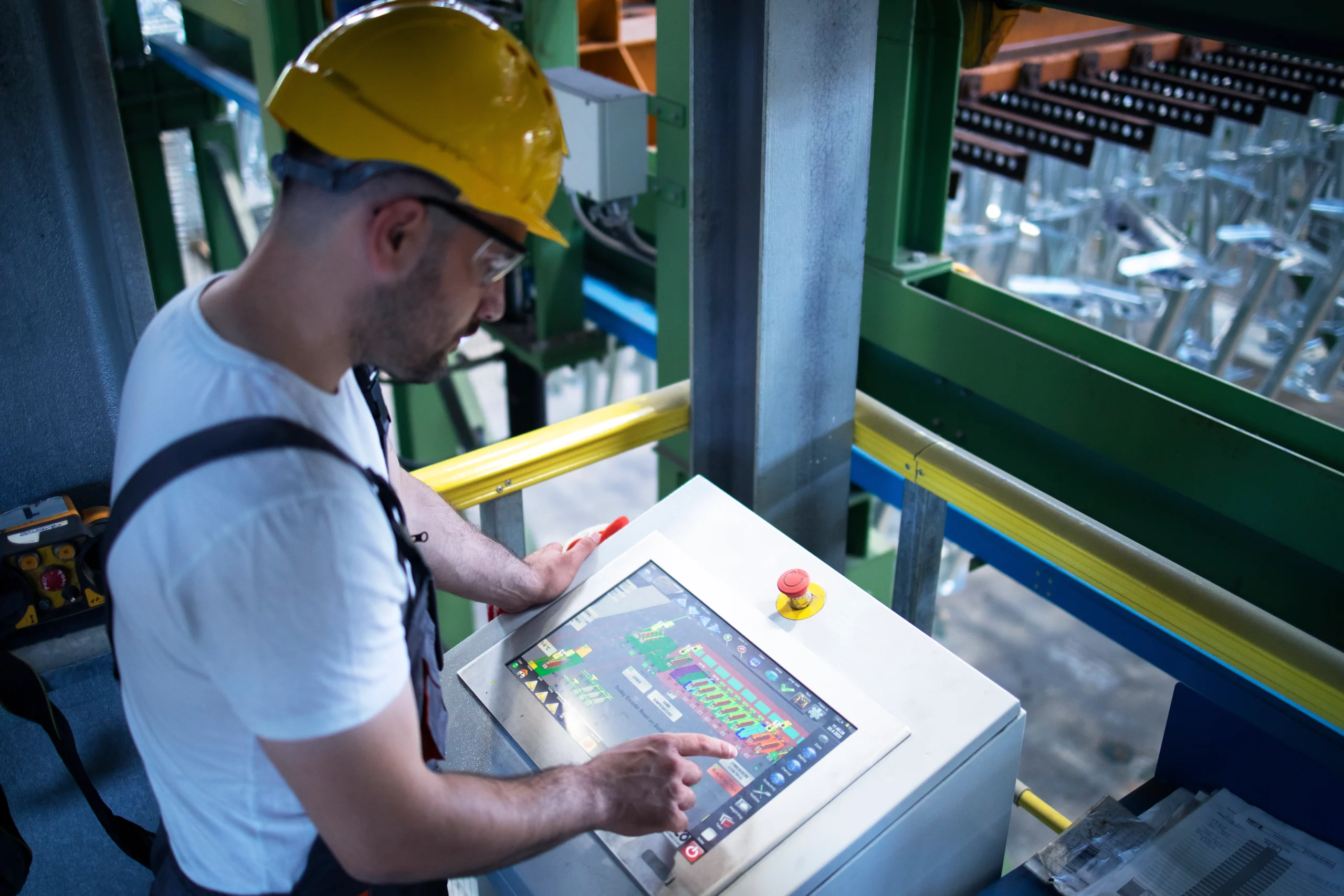
In high-demand environments such as oil and gas, manufacturing, and power generation, instruments are exposed to heat, vibration, pressure variations, and environmental stress. These conditions accelerate measurement drift, making interval planning a critical part of maintenance strategy.
The Impact on Equipment Performance
When calibration intervals are too long, instruments may operate outside acceptable limits without detection. Even small deviations in measurement can affect process control and system efficiency.
For example, inaccurate temperature readings can lead to improper heating or cooling, affecting product quality. Pressure deviations can impact system balance, leading to inefficient operation or equipment strain.
In such cases, the issue is not always equipment failure, but incorrect data guiding operational decisions.
Properly defined calibration intervals help ensure that equipment continues to perform as intended by maintaining accurate input data.
Reliability Depends on Measurement Accuracy
Equipment reliability is often evaluated based on uptime, consistency, and performance under operational conditions. However, reliability is closely linked to the accuracy of measurement systems.
If instruments provide incorrect readings, operators may unknowingly adjust processes in the wrong direction. Over time, this leads to increased wear, inefficiency, and potential system instability.
Maintaining consistent calibration intervals ensures that measurement systems remain aligned with operational requirements, supporting long-term reliability.
The Risk of Over-Calibration and Under-Calibration
Calibration intervals must be carefully balanced. Setting intervals too short can lead to unnecessary downtime, increased maintenance costs, and operational disruption.
On the other hand, extended intervals increase the risk of undetected measurement drift, which can result in process variation, compliance issues, and equipment inefficiency.
The goal is to establish optimized calibration intervals based on actual operating conditions, historical performance data, and instrument criticality.
Calibration Planning and Compliance
In Saudi Arabia, industrial operations often follow standards such as ISO/IEC 17025 and internal quality management systems that require traceable calibration practices.
Regulatory expectations and audit requirements emphasize documented calibration schedules, measurement traceability, and consistent verification of instrument accuracy.
Well-defined calibration intervals support compliance by ensuring that instruments are regularly verified and aligned with recognized standards. This reduces the risk of non-compliance during audits and inspections.
Moving Toward Data-Driven Calibration Intervals
Modern industrial environments are increasingly adopting data-driven approaches to calibration planning. Instead of relying on fixed schedules, organizations analyze calibration history, drift patterns, and operational conditions to optimize intervals.
This approach allows businesses to:
- Reduce unnecessary calibration frequency
- Identify high-risk instruments
- Improve maintenance efficiency
- Maintain consistent measurement accuracy
By aligning calibration intervals with real operational data, companies can achieve better control over both performance and cost.
Conclusion
Calibration intervals play a critical role in maintaining equipment performance and reliability. They determine how effectively measurement systems remain accurate over time and how well operations can rely on the data they generate.
When calibration intervals are properly defined and managed, organizations benefit from stable processes, improved efficiency, and consistent compliance.
In industrial environments where precision drives performance, calibration is not just a routine task. It is a key factor in ensuring that equipment operates reliably and decisions are based on accurate data.
FAQ
How often should calibration be performed?
Calibration frequency depends on instrument type, usage, and operating conditions. High-stress environments typically require shorter intervals.
What happens if calibration intervals are too long?
Extended intervals increase the risk of measurement drift, which can lead to process inefficiencies and inaccurate decision-making.
Is calibration mandatory for compliance in Saudi Arabia?
Yes, many industries follow ISO standards and regulatory guidelines that require traceable calibration and documented schedules.