Common Sandblasting Problems in Industrial Applications and How to Prevent Them
Sandblasting is an important part of industrial surface preparation before painting or protective coating. Addressing common issues such as uneven cleaning, incorrect surface profiles, contamination and flash rust helps prevent coating defects and project delays.
Industrial Surface Preparation and Sandblasting Challenges
Sandblasting is an important part of industrial surface preparation, particularly when metal components need to be cleaned before painting or protective coating. However, achieving a consistent result requires more than directing abrasive materials at a surface. Problems such as uneven cleaning, incorrect surface profiles, contamination and flash rust can affect the quality of preparation and create difficulties during coating application.
These problems can develop at different stages of the industrial sandblasting process, from abrasive selection and equipment setup to surface inspection. Unsuitable abrasive materials, inconsistent blasting techniques, equipment faults or unfavourable environmental conditions can affect the prepared surface. When these issues are not identified and corrected before painting, they may contribute to coating defects, additional preparation work and project delays.
Why Do Sandblasting Problems Occur in Industrial Applications?
Industrial sandblasting involves several factors that need to work together to achieve the required surface condition. The material being treated, abrasive selection, equipment performance, working techniques and environmental conditions can all influence the outcome.
For example, unsuitable abrasive media may produce an incorrect surface profile, while contaminated compressed air can introduce oil or moisture onto a prepared surface. Similarly, inadequate cleaning after blasting may leave dust and abrasive particles that interfere with protective coating application.
Identifying these factors before work begins and checking the surface at different stages can help reduce preparation-related problems.
1. Incomplete or Uneven Surface Cleaning
One common problem in industrial sandblasting is incomplete or inconsistent surface cleaning. Some areas may retain rust, mill scale, old paint or other contaminants even after the blasting operation has been completed.
This can happen when the abrasive does not reach every part of the component or when the blasting technique is inconsistent. Complex shapes, corners, weld areas and narrow spaces may also require additional attention.
How to prevent it:
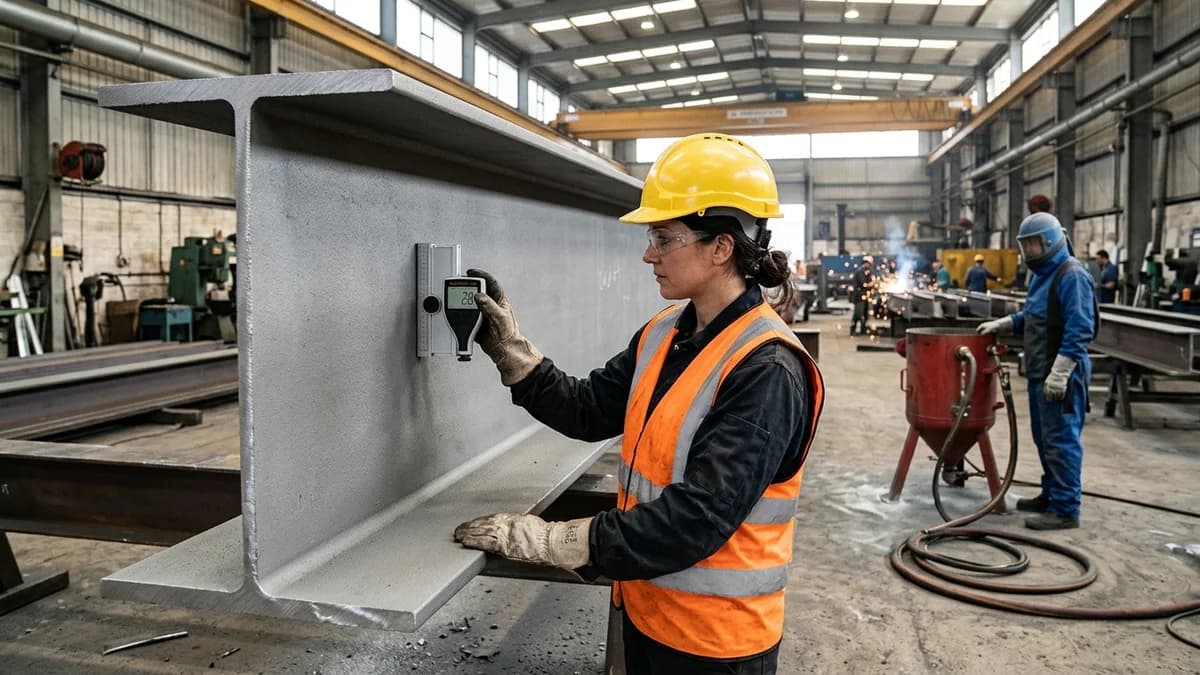
A visual inspection after blasting helps identify areas that may need further cleaning before the coating stage.
This can happen when the abrasive does not reach every part of the component or when the blasting technique is inconsistent. Complex shapes, corners, weld areas and narrow spaces may also require additional attention.
How to prevent it:
- Inspect the component before starting to identify heavily contaminated and difficult-to-reach areas.
- Maintain consistent nozzle movement and suitable blasting coverage.
- Pay particular attention to corners, edges, welds and recessed sections.
- Verify that the cleaned surface meets the required cleanliness standards.
- Carry out additional preparation wherever remaining contaminants are identified.
A visual inspection after blasting helps identify areas that may need further cleaning before the coating stage.
2. Incorrect Surface Profile
Abrasive blasting does more than remove rust and old coatings. It also creates a surface profile, which refers to the peaks and valleys formed when abrasive particles strike the material.
An incorrect profile can create problems during protective coating application. When the surface texture is too smooth, it may not provide sufficient grip for the protective coating to adhere properly. If it is too deep, the coating may not cover the peaks adequately, particularly when thin-film coatings are used.
The resulting profile depends on factors such as abrasive type, particle size, hardness, blasting pressure and operating technique.
How to prevent it:
The appropriate surface texture varies depending on the selected coating and the specific needs of the project. A rougher surface is not automatically better for every application.
An incorrect profile can create problems during protective coating application. When the surface texture is too smooth, it may not provide sufficient grip for the protective coating to adhere properly. If it is too deep, the coating may not cover the peaks adequately, particularly when thin-film coatings are used.
The resulting profile depends on factors such as abrasive type, particle size, hardness, blasting pressure and operating technique.
How to prevent it:
- Select abrasive media suitable for the required surface profile.
- Prepare the surface according to the coating system's recommended requirements.
- Maintain consistent blasting conditions.
- Measure the surface profile using an appropriate inspection method, such as a profile gauge or replica tape, where required.
- Ensure the measured surface profile meets the project's approved criteria before coating application.
The appropriate surface texture varies depending on the selected coating and the specific needs of the project. A rougher surface is not automatically better for every application.
3. Surface Contamination from Oil, Moisture and Abrasives
Surface contamination can occur when unwanted substances come into contact with the material during or after blasting. Oil or moisture in compressed air, contaminated abrasive media and improper handling can affect the cleanliness of the prepared surface.
Even when a surface looks clean, non-visible contaminants such as soluble salts may remain. These substances can interfere with coating adhesion and contribute to corrosion problems beneath the protective layer.
Compressed air cleanliness is particularly important in blasting and painting operations. ASTM D4285-24 describes a visual test method for identifying the presence of oil or water in compressed air used for abrasive blasting and coating applications.
How to prevent it:
The ASTM D4285 standard provides further information about checking compressed air for oil or water contamination. Its inclusion here is a technical reference, not a claim that any particular contractor uses this testing procedure.
Even when a surface looks clean, non-visible contaminants such as soluble salts may remain. These substances can interfere with coating adhesion and contribute to corrosion problems beneath the protective layer.
Compressed air cleanliness is particularly important in blasting and painting operations. ASTM D4285-24 describes a visual test method for identifying the presence of oil or water in compressed air used for abrasive blasting and coating applications.
How to prevent it:
- Check compressed-air lines and moisture or oil separators as required by the project procedure.
- Use clean and suitable abrasive media.
- Store abrasive materials in conditions that protect them from moisture and contamination.
- Prevent grease, oil and dirty handling equipment from contacting prepared surfaces.
- Check for non-visible contaminants when required by the coating specification.
The ASTM D4285 standard provides further information about checking compressed air for oil or water contamination. Its inclusion here is a technical reference, not a claim that any particular contractor uses this testing procedure.
4. Dust and Abrasive Residues After Blasting
Blasting can leave behind fine dust, loose abrasive particles and other residues on the prepared surface. These materials may collect around edges, joints, recessed sections and other areas that are difficult to clean.
If they remain when primer or protective coating is applied, they can interfere with the contact between the coating and the substrate. This may contribute to adhesion problems and an inconsistent finish.
How to prevent it:
Cleaning should be completed before coating application, rather than relying on the primer or paint to cover remaining residues.
If they remain when primer or protective coating is applied, they can interfere with the contact between the coating and the substrate. This may contribute to adhesion problems and an inconsistent finish.
How to prevent it:
- Remove loose dust and abrasive residues using suitable cleaning methods.
- Use appropriate industrial vacuum equipment or other methods specified for the project.
- Inspect recessed areas, edges and joints for remaining particles.
- Carry out dust checks when required by the coating specification.
- Keep the prepared surface protected from additional dust and contamination before painting.
Cleaning should be completed before coating application, rather than relying on the primer or paint to cover remaining residues.
5. Flash Rust After Sandblasting
Flash rust is a thin layer of rust that develops on freshly prepared metal when it comes into contact with moisture. It can appear shortly after blasting, particularly when environmental conditions or surface contamination encourage corrosion.
Freshly blasted steel is exposed to the surrounding atmosphere. High humidity, condensation, moisture and soluble salt contamination can increase the risk of rust formation.
If the surface develops flash rust before painting, applying a protective coating without reassessing the condition may affect coating performance.
How to prevent it:
The permitted time between blasting and coating depends on the environment, surface condition and coating specification. It should not be treated as the same for every project.
Freshly blasted steel is exposed to the surrounding atmosphere. High humidity, condensation, moisture and soluble salt contamination can increase the risk of rust formation.
If the surface develops flash rust before painting, applying a protective coating without reassessing the condition may affect coating performance.
How to prevent it:
- Monitor humidity, surface temperature and dew point during preparation and coating work.
- Keep freshly prepared surfaces protected from moisture and environmental contamination.
- Coordinate blasting and coating schedules to avoid unnecessary delays.
- Follow the coating manufacturer's permitted time between surface preparation and coating application.
- Reinspect the surface if flash rust develops and carry out the required corrective preparation before painting.
The permitted time between blasting and coating depends on the environment, surface condition and coating specification. It should not be treated as the same for every project.
6. Inconsistent Results Due to Equipment Problems
Sandblasting equipment plays an important role in maintaining consistent surface preparation. Problems with the air supply, worn blasting nozzles, damaged hoses or blocked connections can affect the delivery of abrasive media and the consistency of the operation.
For example, a worn nozzle may change the blasting pattern and make it harder to achieve consistent results. An unsuitable or unstable air supply can also affect the performance of the blasting equipment.
How to prevent it:
Regular equipment checks can help identify operating issues before they affect the prepared surface or interrupt the work.
For example, a worn nozzle may change the blasting pattern and make it harder to achieve consistent results. An unsuitable or unstable air supply can also affect the performance of the blasting equipment.
How to prevent it:
- Check hoses, nozzles, connections and other equipment components before operation.
- Monitor the air supply and equipment performance during blasting.
- Replace worn or damaged components where necessary.
- Keep abrasive delivery systems clean and free from blockages.
- Follow the equipment manufacturer's maintenance recommendations.
Regular equipment checks can help identify operating issues before they affect the prepared surface or interrupt the work.
7. Dust Exposure and Other Sandblasting Safety Issues
Apart from surface quality, worker safety is another important consideration during industrial sandblasting. The process can generate airborne dust and high noise levels. The abrasive material, existing paint and the substrate being blasted may also contain substances that present health risks.
For example, blasting old coatings may release hazardous particles, while exposure to respirable crystalline silica can cause serious respiratory diseases. The risks depend on the materials used and the condition of the surface being treated.
How to prevent it:
OSHA's guidance on protecting workers from abrasive blasting materials explains the importance of hazard assessment, containment, ventilation, protective equipment and worker training. These are useful technical safety references, while work in Saudi Arabia must also follow applicable local requirements and site procedures.
For example, blasting old coatings may release hazardous particles, while exposure to respirable crystalline silica can cause serious respiratory diseases. The risks depend on the materials used and the condition of the surface being treated.
How to prevent it:
- Assess the abrasive material and existing surface coating before work begins.
- Use suitable containment and isolation arrangements.
- Provide adequate ventilation and dust-control systems.
- Select abrasive materials based on project requirements and worker safety.
- Use appropriate respiratory, eye, hearing and body protection.
- Follow site-specific HSE procedures and applicable occupational safety requirements.
OSHA's guidance on protecting workers from abrasive blasting materials explains the importance of hazard assessment, containment, ventilation, protective equipment and worker training. These are useful technical safety references, while work in Saudi Arabia must also follow applicable local requirements and site procedures.
How Sandblasting Problems Affect Protective Coating Performance
Sandblasting prepares a material for the next stage of surface treatment. When the preparation is inadequate, the resulting problems may continue into protective coating application.
Some possible effects include:
It is important to remember that coating performance also depends on the selected coating material, application conditions, film thickness and curing process. Sandblasting is one part of a larger surface protection system.
Some possible effects include:
- Poor coating adhesion: Remaining contaminants or an unsuitable surface profile can affect how well the coating bonds to the prepared material.
- Uneven coating coverage: An excessively rough profile may make it difficult to achieve the required coating thickness over surface peaks.
- Premature corrosion: Rust, moisture or soluble salt contamination beneath a coating can contribute to corrosion and coating deterioration.
- Additional maintenance and rework: Surfaces that fail inspection may require further cleaning, blasting or recoating, increasing the work involved in completing the project.
It is important to remember that coating performance also depends on the selected coating material, application conditions, film thickness and curing process. Sandblasting is one part of a larger surface protection system.
How to Maintain Consistent Quality During Industrial Sandblasting
Preventing sandblasting problems requires attention at different stages of the operation. A structured inspection approach helps identify issues before they affect the next stage of work.
The following checks can help maintain consistency:
AMPP's surface preparation standards committee covers technical areas such as abrasive media, surface cleanliness, soluble salt testing and surface profile evaluation. These resources provide useful background for understanding the checks involved in industrial surface preparation. Project teams should refer to the standards and inspection criteria specifically identified in their approved project specifications.
The following checks can help maintain consistency:
- Before blasting: Inspect the material, identify existing contaminants and confirm the preparation requirements.
- During blasting: Monitor equipment condition, abrasive delivery and surface cleaning.
- After blasting: Check surface cleanliness, profile and remaining dust or contamination.
- Before coating: Confirm environmental conditions and verify that the prepared surface meets the coating requirements.
- During coating: Follow the specified application and curing requirements, and complete the required coating inspections.
AMPP's surface preparation standards committee covers technical areas such as abrasive media, surface cleanliness, soluble salt testing and surface profile evaluation. These resources provide useful background for understanding the checks involved in industrial surface preparation. Project teams should refer to the standards and inspection criteria specifically identified in their approved project specifications.
Industrial Sandblasting and Painting Services by Prime Innovation
Industrial surface preparation requires proper assessment, cleaning, blasting and coating application to help achieve the required finish. Prime Innovation provides sandblasting and painting services in Saudi Arabia for steel structures, tanks, pipes, valves and industrial equipment.
According to its published service information, Prime's workflow includes component assessment, cleaning and pre-treatment, sandblasting, primer application, coating, curing, Dry Film Thickness (DFT) verification and final inspection. Its service information also describes visual checks, surface profile checks, coating verification and support for client inspection requirements.
Coordinating these stages helps keep surface preparation and protective coating work organised. The preparation and coating requirements should be considered according to the component condition, project scope and operating environment.
Learn more about Prime Innovation's industrial sandblasting and painting services.
Conclusion
Sandblasting problems such as uneven cleaning, incorrect surface profiles, contamination, dust residues and flash rust can affect the quality of industrial surface preparation. Equipment-related issues and inadequate safety controls can also create difficulties during blasting operations.
Preventing these problems requires suitable abrasive selection, consistent operating conditions, proper equipment checks and inspection at the appropriate stages. The prepared surface should also be assessed before protective coating is applied to identify conditions that could affect adhesion or coating performance.
Treating sandblasting as part of a complete surface preparation and coating process helps industries reduce avoidable rework and maintain better control over surface protection.
Planning an industrial sandblasting or protective coating project? Contact Prime Innovation to discuss your surface preparation and coating requirements.
Recent Blogs
Sandblasting: A Complete Guide to Industrial Surface Preparation and Protective Coating
November 24, 2026

Benefits of Digital Calibration Certificates for Industrial Traceability
October 29, 2026

How Automatic Fire Suppression Systems Help Protect Industrial Electrical Cabinets
October 27, 2026
Early Warning Signs of Construction Quality Issues: How Civil Testing Helps Identify Problems Before Failure
September 16, 2026
Instrument Drift in Industrial Plants: Causes, Risks, and How Calibration Prevents Production Losses
September 16, 2026