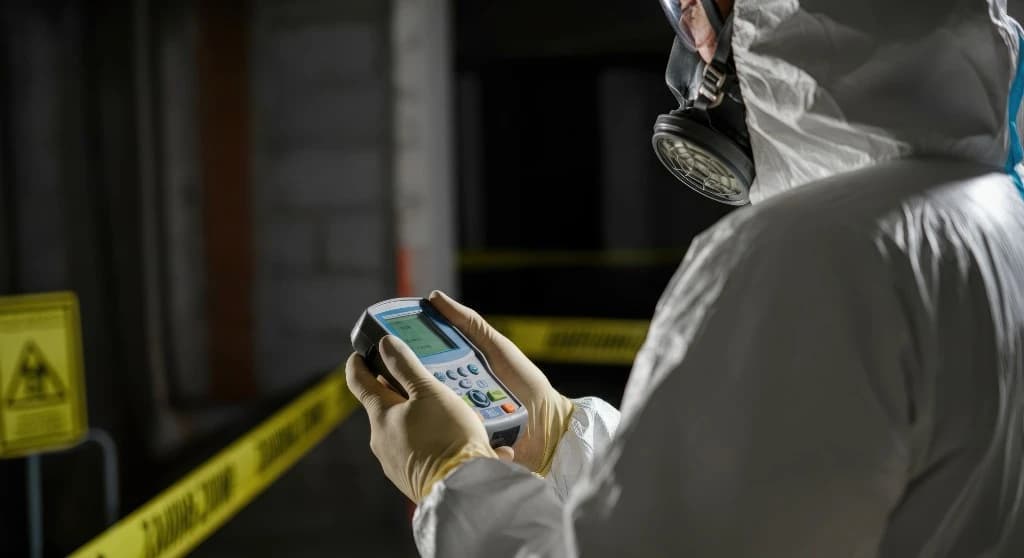
Fixed vs Portable Gas Detectors: Which Is Right for Your Facility
Gas detection is essential for industrial safety across oil & gas, petrochemical, manufacturing, power, and construction facilities. Undetected gas leaks pose severe risks to personnel, equipment, and operations. Industrial facilities rely on gas detection systems for early hazard warnings, but choosing between fixed gas detectors (for continuous area monitoring) and portable gas detectors (for mobile worker protection) depends on specific operational needs. Understanding these key differences helps safety managers implement the most effective gas detection strategy.
Why Gas Detection Is Essential in Industrial Facilities
Many industrial processes involve gases that can be toxic, combustible, flammable, or capable of displacing oxygen. Even a minor gas leak can create unsafe working conditions if not detected quickly.
Effective gas detection systems help organizations:
Selecting the right Gas Detection Equipment is an important step toward creating a safer and more reliable working environment.
Effective gas detection systems help organizations:
- Protect workers from hazardous exposure
- Detect leaks before they become critical
- Improve emergency response capabilities
- Reduce operational risks
- Minimize equipment damage
- Support regulatory compliance
Selecting the right Gas Detection Equipment is an important step toward creating a safer and more reliable working environment.
What Are Fixed Gas Detectors?
Fixed gas detectors are permanently installed monitoring devices positioned in areas where gas leaks are most likely to occur. These locations may include pipelines, storage tanks, compressors, process equipment, confined spaces, and production areas.
Unlike portable devices, fixed gas detectors continuously monitor the surrounding environment and provide real-time gas concentration readings. They are often integrated with facility control systems, alarms, ventilation equipment, and emergency shutdown mechanisms.
Because they operate continuously, fixed gas detectors are commonly used in facilities where ongoing monitoring is required to maintain safety and operational reliability.
Unlike portable devices, fixed gas detectors continuously monitor the surrounding environment and provide real-time gas concentration readings. They are often integrated with facility control systems, alarms, ventilation equipment, and emergency shutdown mechanisms.
Because they operate continuously, fixed gas detectors are commonly used in facilities where ongoing monitoring is required to maintain safety and operational reliability.
Advantages of Fixed Gas Detectors
Fixed gas detection systems offer several benefits for facilities that require constant monitoring of hazardous environments.
One of the biggest advantages of fixed systems is their ability to provide 24/7 gas monitoring. They remain active at all times, even when personnel are not present in the area.
Because fixed detectors continuously monitor specific locations, they can identify leaks immediately and alert operators before conditions become dangerous.
Many fixed detectors can be connected to alarms, ventilation systems, and emergency shutdown controls. This helps facilities respond automatically when hazardous gas levels are detected.
Industries operating under strict safety regulations often use fixed systems to demonstrate compliance with workplace safety requirements and industry standards.
Continuous monitoring helps protect valuable equipment, infrastructure, and production systems from gas-related incidents.
Continuous Monitoring
One of the biggest advantages of fixed systems is their ability to provide 24/7 gas monitoring. They remain active at all times, even when personnel are not present in the area.
Faster Hazard Detection
Because fixed detectors continuously monitor specific locations, they can identify leaks immediately and alert operators before conditions become dangerous.
Integration with Safety Systems
Many fixed detectors can be connected to alarms, ventilation systems, and emergency shutdown controls. This helps facilities respond automatically when hazardous gas levels are detected.
Improved Compliance
Industries operating under strict safety regulations often use fixed systems to demonstrate compliance with workplace safety requirements and industry standards.
Protection of Critical Assets
Continuous monitoring helps protect valuable equipment, infrastructure, and production systems from gas-related incidents.
What Are Portable Gas Detectors?
Portable gas detectors are compact devices designed to be carried or worn by workers as they move throughout a facility. These devices provide real-time monitoring of gas concentrations and alert users when hazardous conditions are detected.
Portable detectors are commonly used during inspections, maintenance activities, confined space entry operations, shutdown projects, and emergency response situations. Depending on the application, they may monitor a single gas or multiple gases simultaneously.
Their mobility makes them an essential safety tool for workers operating in different locations throughout a facility.
Portable detectors are commonly used during inspections, maintenance activities, confined space entry operations, shutdown projects, and emergency response situations. Depending on the application, they may monitor a single gas or multiple gases simultaneously.
Their mobility makes them an essential safety tool for workers operating in different locations throughout a facility.
Advantages of Portable Gas Detectors
Portable gas detectors provide flexibility and personal protection that fixed systems cannot always offer.
Workers can carry portable detectors to different areas, making them suitable for changing work environments and temporary operations.
Portable devices provide direct protection for employees by alerting them when hazardous gas concentrations are detected nearby.
Many confined spaces require atmospheric testing before entry. Portable gas detectors help verify safe conditions and monitor the environment during work activities.
Maintenance work, inspections, and construction projects often take place in locations without permanent monitoring systems. Portable detectors provide protection wherever they are needed.
Emergency response teams frequently use portable detectors to assess hazards during incidents and determine whether areas are safe for entry.
Mobility and Flexibility
Workers can carry portable detectors to different areas, making them suitable for changing work environments and temporary operations.
Personal Safety Monitoring
Portable devices provide direct protection for employees by alerting them when hazardous gas concentrations are detected nearby.
Ideal for Confined Spaces
Many confined spaces require atmospheric testing before entry. Portable gas detectors help verify safe conditions and monitor the environment during work activities.
Suitable for Temporary Projects
Maintenance work, inspections, and construction projects often take place in locations without permanent monitoring systems. Portable detectors provide protection wherever they are needed.
Emergency Response Support
Emergency response teams frequently use portable detectors to assess hazards during incidents and determine whether areas are safe for entry.
Fixed vs Portable Gas Detectors: Understanding the Differences
Both systems serve the same overall purpose, but they are designed for different safety applications.
Fixed gas detectors are best suited for:
Portable gas detectors are best suited for:
In many industrial environments, neither option should be viewed as a replacement for the other. Instead, they often work together to provide a comprehensive gas detection strategy.
Fixed gas detectors are best suited for:
- Continuous area monitoring
- High-risk process environments
- Permanent installations
- Automated safety responses
- Critical infrastructure protection
Portable gas detectors are best suited for:
- Worker protection
- Confined space entry
- Maintenance activities
- Temporary work areas
- Mobile inspections
In many industrial environments, neither option should be viewed as a replacement for the other. Instead, they often work together to provide a comprehensive gas detection strategy.
Which Option Is Right for Your Facility?
Choosing between fixed and portable gas detectors depends on the nature of your operations, facility layout, and safety requirements.
Fixed gas detectors may be the right choice if your facility:
Portable gas detectors may be more suitable if your workforce:
Many organizations across Saudi Arabia use both systems together. Fixed detectors provide continuous monitoring of critical areas, while portable detectors offer an additional layer of protection for personnel.
Fixed gas detectors may be the right choice if your facility:
- Handles hazardous gases continuously
- Requires constant monitoring
- Operates high-risk equipment
- Must comply with strict safety regulations
- Needs automated alarm systems
Portable gas detectors may be more suitable if your workforce:
- Frequently moves between locations
- Performs maintenance activities
- Conducts inspections
- Works in confined spaces
- Requires personal gas monitoring
Many organizations across Saudi Arabia use both systems together. Fixed detectors provide continuous monitoring of critical areas, while portable detectors offer an additional layer of protection for personnel.
The Importance of Calibration and Maintenance
Regardless of the type of gas detector used, regular calibration and maintenance are essential for ensuring accurate performance. Over time, gas sensors can drift due to environmental conditions, contamination, temperature changes, and normal wear.
If a detector becomes inaccurate, it may fail to identify hazardous conditions or generate unnecessary alarms. Both situations can negatively impact workplace safety and operational efficiency.
Regular Calibration Services help organizations:
Routine calibration should be considered an essential part of any industrial gas detection program.
If a detector becomes inaccurate, it may fail to identify hazardous conditions or generate unnecessary alarms. Both situations can negatively impact workplace safety and operational efficiency.
Regular Calibration Services help organizations:
- Maintain detector accuracy
- Improve measurement reliability
- Meet compliance requirements
- Reduce false alarms
- Extend equipment lifespan
- Ensure dependable performance
Routine calibration should be considered an essential part of any industrial gas detection program.
Supporting Industrial Safety in Saudi Arabia
As Saudi Arabia continues to expand its industrial capabilities under Vision 2030, workplace safety remains a top priority across multiple sectors. Industrial facilities are increasingly investing in advanced gas detection technologies to protect personnel, maintain compliance, and support operational excellence.
From oil and gas facilities in Jubail and Dammam to manufacturing plants in Riyadh and Jeddah, gas detection systems play a vital role in reducing risk and ensuring safe operations. Selecting the right solution helps organizations build stronger safety programs while improving overall operational reliability.
Prime Arabia Group provides high-quality industrial safety solutions designed to support businesses across Saudi Arabia. Our team understands the challenges faced by industrial facilities and helps organizations select gas detection systems that meet their operational and safety requirements.
Our solutions include:
Whether you require fixed gas detectors, portable gas detectors, or professional calibration support, we are committed to helping you maintain a safer workplace.
From oil and gas facilities in Jubail and Dammam to manufacturing plants in Riyadh and Jeddah, gas detection systems play a vital role in reducing risk and ensuring safe operations. Selecting the right solution helps organizations build stronger safety programs while improving overall operational reliability.
Why Choose Prime Arabia Group
Prime Arabia Group provides high-quality industrial safety solutions designed to support businesses across Saudi Arabia. Our team understands the challenges faced by industrial facilities and helps organizations select gas detection systems that meet their operational and safety requirements.
Our solutions include:
- Industrial gas detection equipment
- Safety monitoring solutions
- Technical product support
- Calibration and testing services
- Reliable industrial supply solutions
- Experienced customer assistance
Whether you require fixed gas detectors, portable gas detectors, or professional calibration support, we are committed to helping you maintain a safer workplace.
Conclusion
Choosing between fixed and portable gas detectors depends on your facility's operational requirements, risk levels, and safety objectives. While fixed gas detectors provide continuous monitoring and automated protection for critical areas, portable gas detectors offer flexible, real-time protection for personnel working across different locations. In many industrial environments, a combination of both systems delivers the most effective safety solution. By selecting the right gas detection equipment and maintaining it through regular calibration, organizations can improve workplace safety, support regulatory compliance, and ensure reliable operations across their facilities.
Recent Blogs
Early Warning Signs of Construction Quality Issues: How Civil Testing Helps Identify Problems Before Failure
September 16, 2026
Instrument Drift in Industrial Plants: Causes, Risks, and How Calibration Prevents Production Losses
September 16, 2026
The Importance of Reliable Industrial Material Suppliers for Project Success
August 10, 2026

How Choosing the Right Industrial Material Supplier Reduces Project Costs
July 17, 2026

How Pressure Gauge Calibration Improves Industrial Safety and Process Efficiency
July 13, 2026