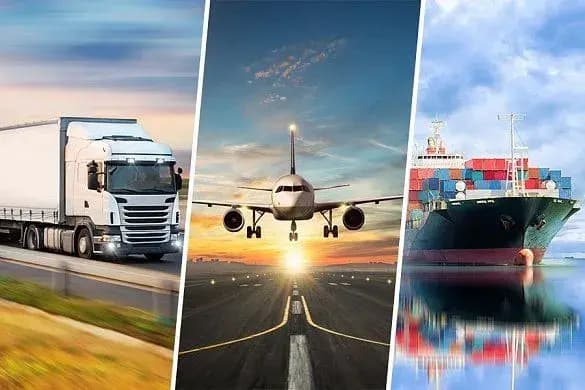
Top Logistics Challenges in Saudi Arabia 2026: How Integrated Land, Road, Sea & Air Solutions Drive Vision 2030 Success
Saudi Arabia is in the middle of a logistics revolution, driven by Vision 2030 and massive investments in transport and supply chain infrastructure. Yet, on-the-ground shippers, manufacturers, and traders still face daily challenges that impact cost, speed, and reliability.
In 2026, businesses that solve these challenges with integrated land, road, sea, and air solutions will be the ones that truly unlock Vision 2030 opportunities.
1. Why Logistics Matters for Vision 2030
Saudi Arabia wants to become a global logistics hub connecting Asia, Europe, and Africa, not just a traditional oil exporter. Under the National Transport and Logistics Strategy, the Kingdom plans 59 modern logistics zones, upgraded ports and airports, and end‑to‑end digital systems to reach the top 10 globally in logistics performance.
For businesses, this means a huge opportunity: faster access to global markets, more competitive export costs, and better connectivity between industrial cities, free zones, and customers inside the Kingdom.
For businesses, this means a huge opportunity: faster access to global markets, more competitive export costs, and better connectivity between industrial cities, free zones, and customers inside the Kingdom.
2. Top Logistics Challenges in Saudi Arabia 2026
Despite strong government initiatives, companies in Saudi still face several real-world logistics pain points.
Fragmented transport modes
Many companies still manage road, sea, air, and land border transport separately, leading to delays, miscommunication, and higher costs.
Complex regulations and customs
While processes are improving, cross-border shipments can still face documentation issues, clearance delays, and changing regulatory requirements.
Capacity and infrastructure bottlenecks
Rapid growth in e-commerce, construction, and mega-projects like NEOM and Red Sea developments puts pressure on warehousing, trucking capacity, and key trade corridors.
Limited end‑to‑end visibility
Many supply chains still lack real-time tracking from origin to final delivery, making it difficult to plan inventory, manage exceptions, and give accurate ETAs to customers.
Skilled workforce and technology adoption gaps
Logistics is moving toward AI, IoT, automation, and data-driven decision-making, but not all operators or teams are ready to fully adopt these tools.
Regional competition
Saudi competes with other Gulf hubs that already have strong port, air, and free zone ecosystems, so efficiency and service quality must keep improving.
Fragmented transport modes
Many companies still manage road, sea, air, and land border transport separately, leading to delays, miscommunication, and higher costs.
Complex regulations and customs
While processes are improving, cross-border shipments can still face documentation issues, clearance delays, and changing regulatory requirements.
Capacity and infrastructure bottlenecks
Rapid growth in e-commerce, construction, and mega-projects like NEOM and Red Sea developments puts pressure on warehousing, trucking capacity, and key trade corridors.
Limited end‑to‑end visibility
Many supply chains still lack real-time tracking from origin to final delivery, making it difficult to plan inventory, manage exceptions, and give accurate ETAs to customers.
Skilled workforce and technology adoption gaps
Logistics is moving toward AI, IoT, automation, and data-driven decision-making, but not all operators or teams are ready to fully adopt these tools.
Regional competition
Saudi competes with other Gulf hubs that already have strong port, air, and free zone ecosystems, so efficiency and service quality must keep improving.
3. How Integrated Land, Road, Sea & Air Solutions Solve These Challenges
An integrated logistics model connects all modes of transport into a single, coordinated solution managed by one expert provider.
One point of control
Instead of dealing with multiple carriers and agents, businesses work with a single partner coordinating trucks, port operations, air freight, and cross-border moves end-to-end.
Seamless multimodal routing
Shipments can move from factory to warehouse to port to airport using the most efficient mix of land, sea, and air, optimized for cost, time, and service level.
Faster customs and documentation
Integrated providers handle documentation, permits, and compliance under unified processes, reducing errors and clearance delays.
Real-time visibility across the chain
With unified tracking and digital platforms, customers can monitor cargo status, route, and milestones across all modes in one dashboard.
Scalability for mega-projects and seasonal peaks
Integrated networks can flex capacity across road fleets, warehousing, and air/sea lanes to support large projects and peak seasons without compromising service.
One point of control
Instead of dealing with multiple carriers and agents, businesses work with a single partner coordinating trucks, port operations, air freight, and cross-border moves end-to-end.
Seamless multimodal routing
Shipments can move from factory to warehouse to port to airport using the most efficient mix of land, sea, and air, optimized for cost, time, and service level.
Faster customs and documentation
Integrated providers handle documentation, permits, and compliance under unified processes, reducing errors and clearance delays.
Real-time visibility across the chain
With unified tracking and digital platforms, customers can monitor cargo status, route, and milestones across all modes in one dashboard.
Scalability for mega-projects and seasonal peaks
Integrated networks can flex capacity across road fleets, warehousing, and air/sea lanes to support large projects and peak seasons without compromising service.
4. Enabling Vision 2030: From Infrastructure to Smart Logistics
Vision 2030 is not only about building ports, airports, and roads—it’s about building a smart, connected logistics ecosystem.
National logistics zones and hubs
The Kingdom is rolling out dozens of logistics centers that connect producers, exporters, and e-commerce players with major ports, airports, and land borders.
Technology-driven supply chains
AI, IoT, and data analytics are helping companies forecast demand, optimize routes, and reduce empty miles and fuel waste.
Resilient and diversified trade routes
New corridors, upgraded ports on the Red Sea and Arabian Gulf, and enhanced air freight capacity make Saudi a stable gateway for global trade flows.
Sustainability and green logistics
Vision 2030 emphasizes cleaner transport, better energy use, and smarter network design to cut emissions and operating costs over time.
Integrated land, road, sea, and air solutions sit at the heart of this transformation by turning national infrastructure and policy into real, day-to-day business value.
National logistics zones and hubs
The Kingdom is rolling out dozens of logistics centers that connect producers, exporters, and e-commerce players with major ports, airports, and land borders.
Technology-driven supply chains
AI, IoT, and data analytics are helping companies forecast demand, optimize routes, and reduce empty miles and fuel waste.
Resilient and diversified trade routes
New corridors, upgraded ports on the Red Sea and Arabian Gulf, and enhanced air freight capacity make Saudi a stable gateway for global trade flows.
Sustainability and green logistics
Vision 2030 emphasizes cleaner transport, better energy use, and smarter network design to cut emissions and operating costs over time.
Integrated land, road, sea, and air solutions sit at the heart of this transformation by turning national infrastructure and policy into real, day-to-day business value.
5. How Our Integrated Logistics Services Help Your Business
In this environment, choosing the right logistics partner can make the difference between struggling with delays and leading in your market.
Here’s how an integrated provider in Saudi Arabia can support your growth and Vision 2030 goals:
End‑to‑end transport coverage
Complete solutions across domestic road movements, GCC land transport, sea freight, and air freight, designed as one continuous journey.
Optimized routes and transit times
Smart routing that balances cost and speed, using sea for large volumes, air for urgent cargo, and road for flexible regional delivery.
Proactive shipment management
Dedicated teams monitoring shipments, handling exceptions, coordinating with ports, airlines, and land borders, and updating you before issues become delays.
Regulatory and customs expertise
Experienced specialists who understand Saudi and GCC regulations, documentation, and special requirements for industrial, project, and high-value cargo.
Scalable support for Vision 2030 sectors
Tailored solutions for construction, manufacturing, retail, e-commerce, and mega-projects that require reliable, large-scale logistics capacity.
Here’s how an integrated provider in Saudi Arabia can support your growth and Vision 2030 goals:
End‑to‑end transport coverage
Complete solutions across domestic road movements, GCC land transport, sea freight, and air freight, designed as one continuous journey.
Optimized routes and transit times
Smart routing that balances cost and speed, using sea for large volumes, air for urgent cargo, and road for flexible regional delivery.
Proactive shipment management
Dedicated teams monitoring shipments, handling exceptions, coordinating with ports, airlines, and land borders, and updating you before issues become delays.
Regulatory and customs expertise
Experienced specialists who understand Saudi and GCC regulations, documentation, and special requirements for industrial, project, and high-value cargo.
Scalable support for Vision 2030 sectors
Tailored solutions for construction, manufacturing, retail, e-commerce, and mega-projects that require reliable, large-scale logistics capacity.
6. Unlock Seamless Land, Road, Sea & Air Connectivity for Your Supply Chain
Logistics in Saudi Arabia is changing faster than ever, and businesses that adapt now will be best placed to benefit from Vision 2030.
If you are facing delays, high freight costs, or limited visibility in your current supply chain, it’s the right time to switch to an integrated land, road, sea, and air logistics partner that understands the Saudi market and its 2030 vision.
Partner with Prime Innovation Contracting Co. for Smart, Integrated Logistics in Saudi Arabia
If you are facing delays, high freight costs, or limited visibility in your current supply chain, it’s the right time to switch to an integrated land, road, sea, and air logistics partner that understands the Saudi market and its 2030 vision.
Partner with Prime Innovation Contracting Co. for Smart, Integrated Logistics in Saudi Arabia
Recent Blogs
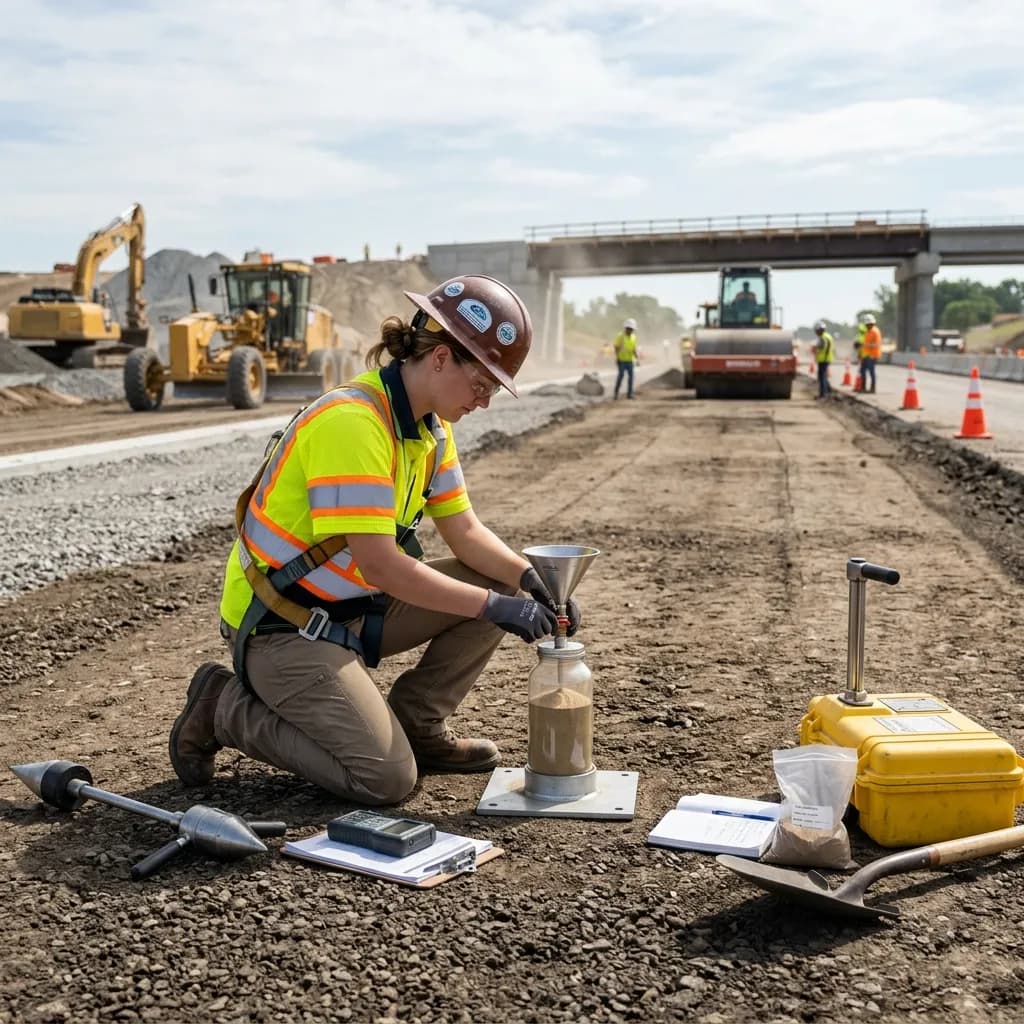
Early Warning Signs of Construction Quality Issues: How Civil Testing Helps Identify Problems Before Failure
September 16, 2026
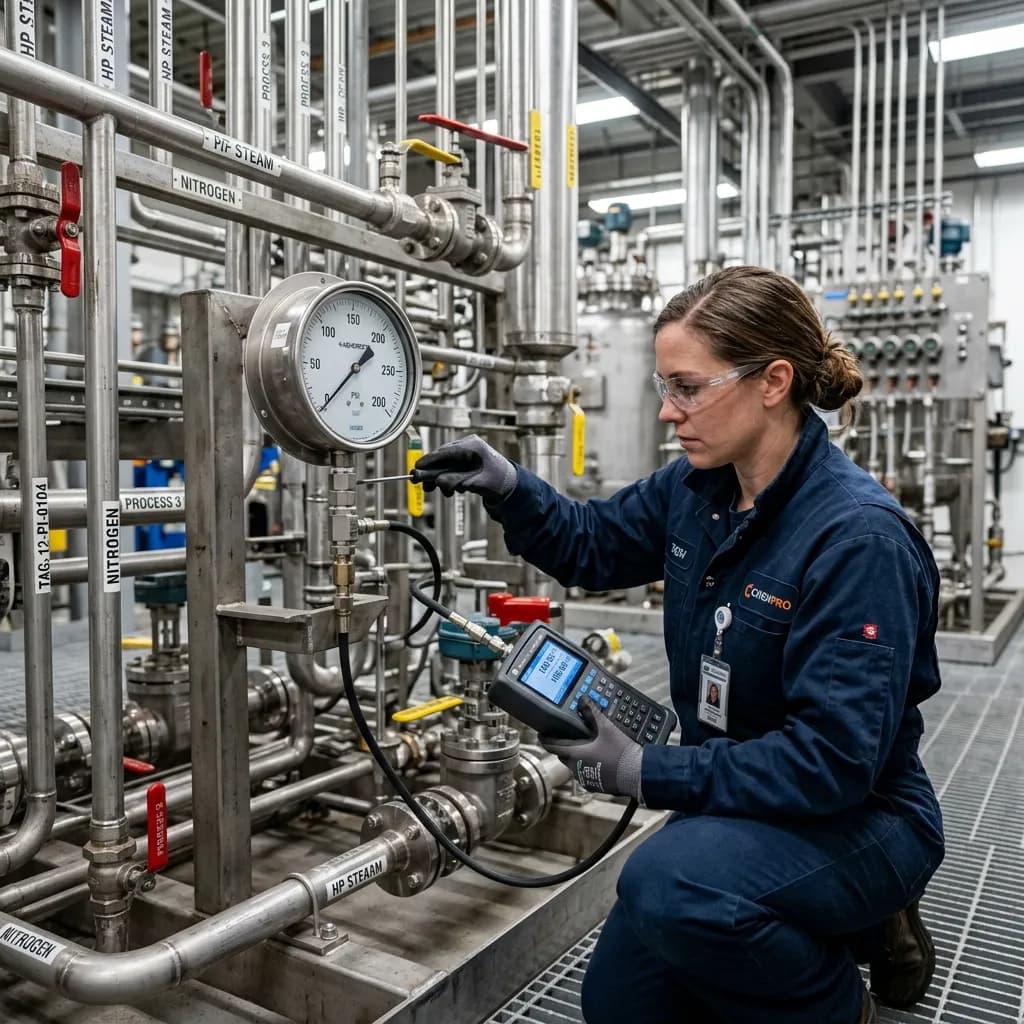
Instrument Drift in Industrial Plants: Causes, Risks, and How Calibration Prevents Production Losses
September 16, 2026

Fixed vs Portable Gas Detectors: Which Is Right for Your Facility
August 12, 2026
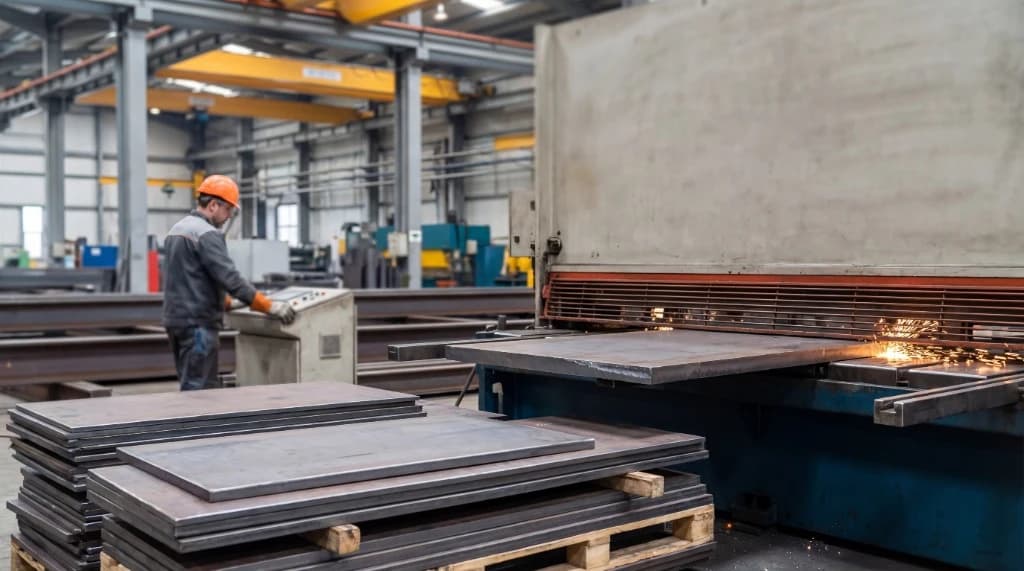
The Importance of Reliable Industrial Material Suppliers for Project Success
August 10, 2026

How Choosing the Right Industrial Material Supplier Reduces Project Costs
July 17, 2026