Material Trading Services in Hafar Al Batin for Industrial Procurement Needs
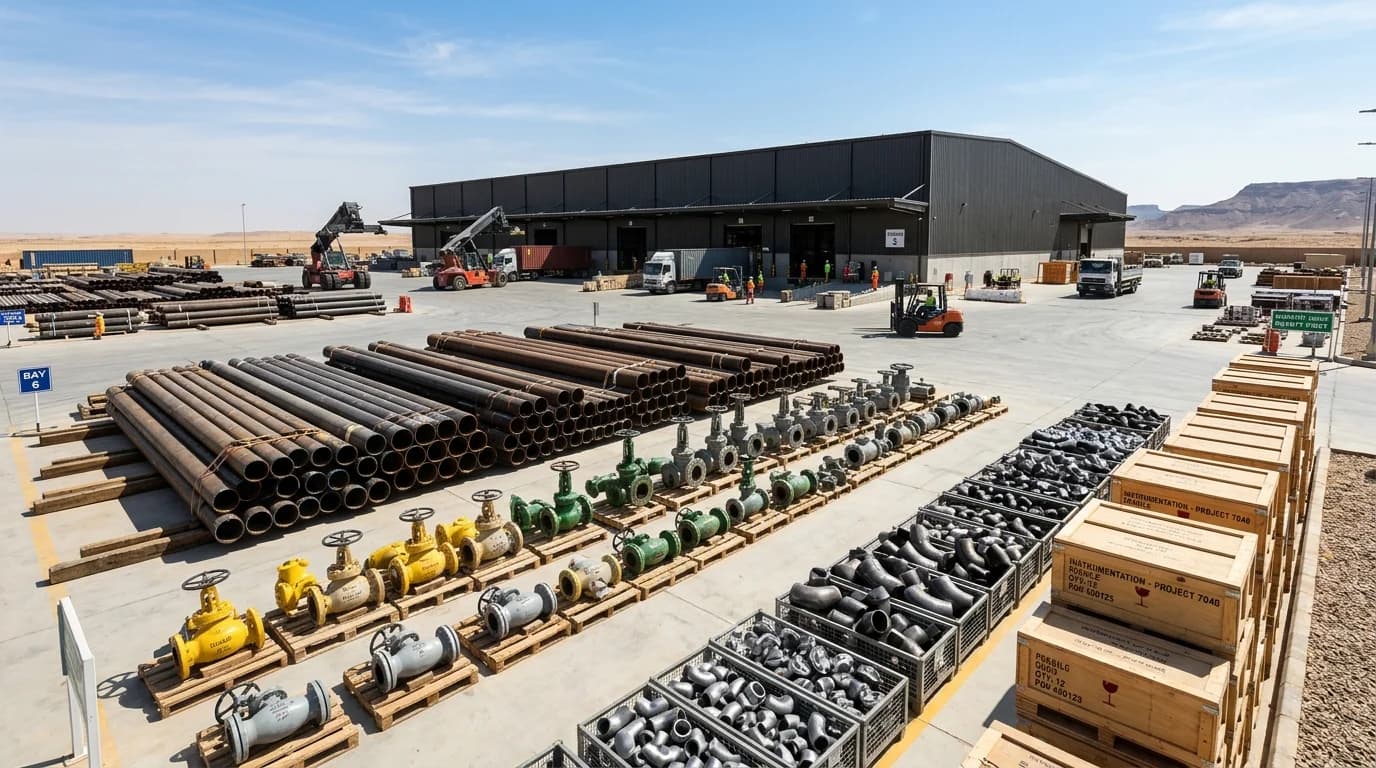
Prime Innovation provides industrial Material Trading Services in Hafar Al Batin, supporting pipes, valves, fittings, and instrumentation to match technical specifications and project procurement needs across Saudi Arabia.
Understanding Material Trading in Hafar Al Batin
An industrial material requirement often involves more than identifying a product and placing an order. Procurement teams need to match each item with its intended application, confirm the technical details and determine the quantity required for the work. A small difference in product specifications can affect compatibility with existing equipment or other components in a system.
For companies searching for Material Trading Services in Hafar Al Batin, having a clear understanding of the materials required can make the purchasing process more organised. Whether the requirement is for a new installation, equipment replacement or an ongoing industrial operation, product selection should begin with the actual needs of the project.
Prime Innovation provides industrial material trading services in Saudi Arabia. Its published product categories include pipes, valves, fittings and instrumentation for industrial and project-related applications.
From Material Requirement to Order: What Should Procurement Teams Prepare?
Before approaching a supplier, businesses should organise the information related to the materials they need. A detailed enquiry gives the supplier a clearer understanding of the request and helps avoid confusion during product selection.
The following details are useful when preparing an industrial material requirement.
Key Details to Prepare Before Requesting Quotations
Product Description
Identify the product required and explain its intended use. For example, a request for a valve should ideally mention its function within the system rather than simply stating the product category.
Technical Specifications
Include relevant product details such as dimensions, material type, pressure rating, connection arrangement and other application-specific requirements. The details needed may differ based on the type of product.
Quantity and Unit of Measurement
Mention the number of units or required quantities for each item. Where applicable, specify the correct unit of measurement to avoid differences between the requested and quoted quantities.
Project or Application Details
Explain whether the materials are intended for a new installation, maintenance activity, replacement requirement or another industrial application. This context helps clarify the purpose of the enquiry.
Required Delivery Location
Provide the project location and expected material requirement date. These details allow the supplier to review the delivery requirements and confirm whether the requested arrangements can be supported.
Preparing this information before requesting a quotation creates a clearer starting point for material sourcing and order discussions.
Industrial Materials for Different Operational Requirements
Industrial components perform different functions within production facilities, processing systems and infrastructure projects. Their selection should reflect the operating conditions and technical requirements of the equipment or system in which they will be used.
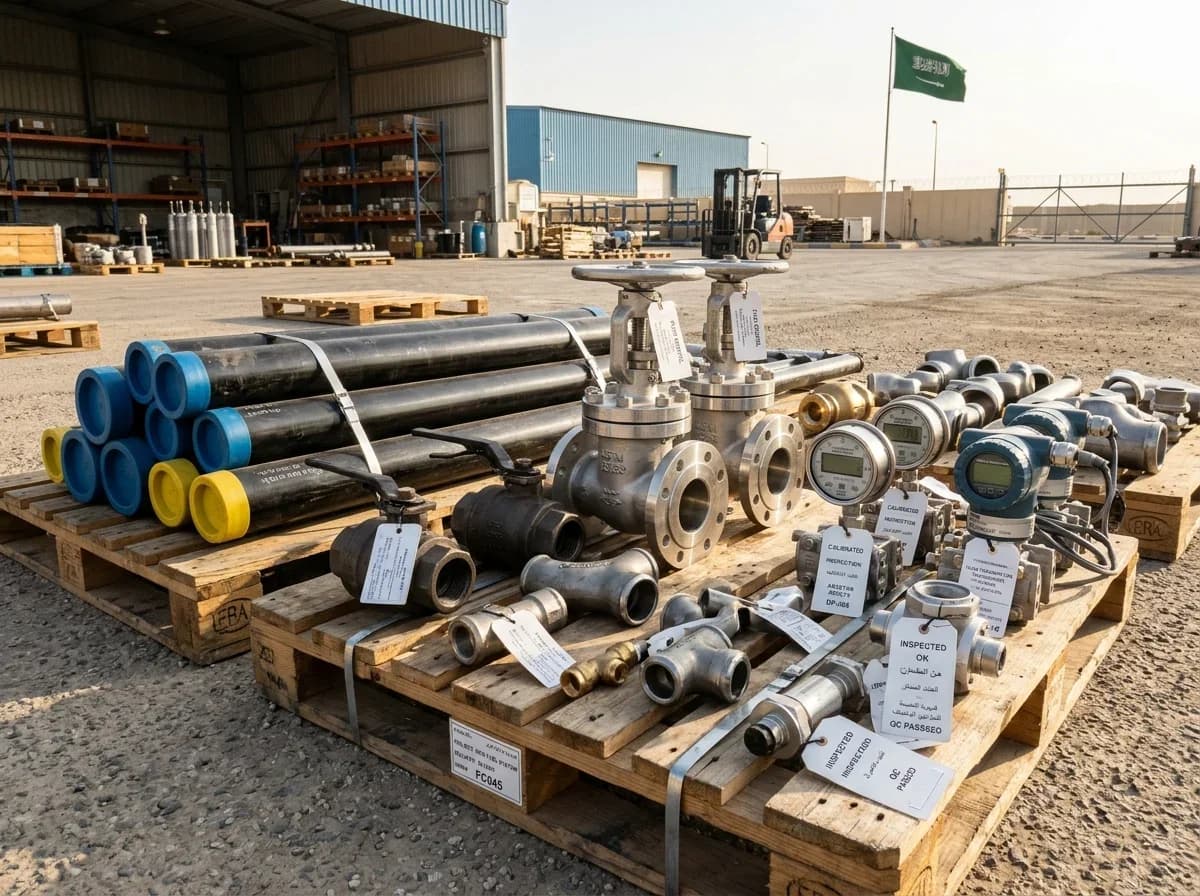
Prime Innovation's material trading scope includes the following categories.
Pipes for Industrial Systems
Pipes form part of systems used to transport fluids and gases between equipment and process areas. Their selection depends on factors such as the transported medium, operating conditions, dimensions and required material properties.
Valves for Flow Regulation
Valves are used to control, regulate or isolate flow within piping arrangements. Different valve designs serve different purposes, so the required function and system specifications should be established before purchasing.
Fittings for Piping Connections
Fittings connect pipe sections and help create branches, directional changes and transitions between components. Their dimensions and connection types need to match the associated piping arrangement.
Instrumentation for Process Monitoring
Instrumentation helps track and measure key operating conditions throughout industrial operations. The selection depends on the parameter being measured, the required measurement range and the application.
A product category alone does not establish whether an item is suitable. Procurement teams should review the relevant technical details and confirm that the selected products match the requirements of the installation.
How to Review Industrial Material Specifications Before Purchasing
Two products may have similar descriptions but differ in important technical characteristics. This is why reviewing product information is an essential step before confirming a purchase.
A useful assessment should consider these key factors:
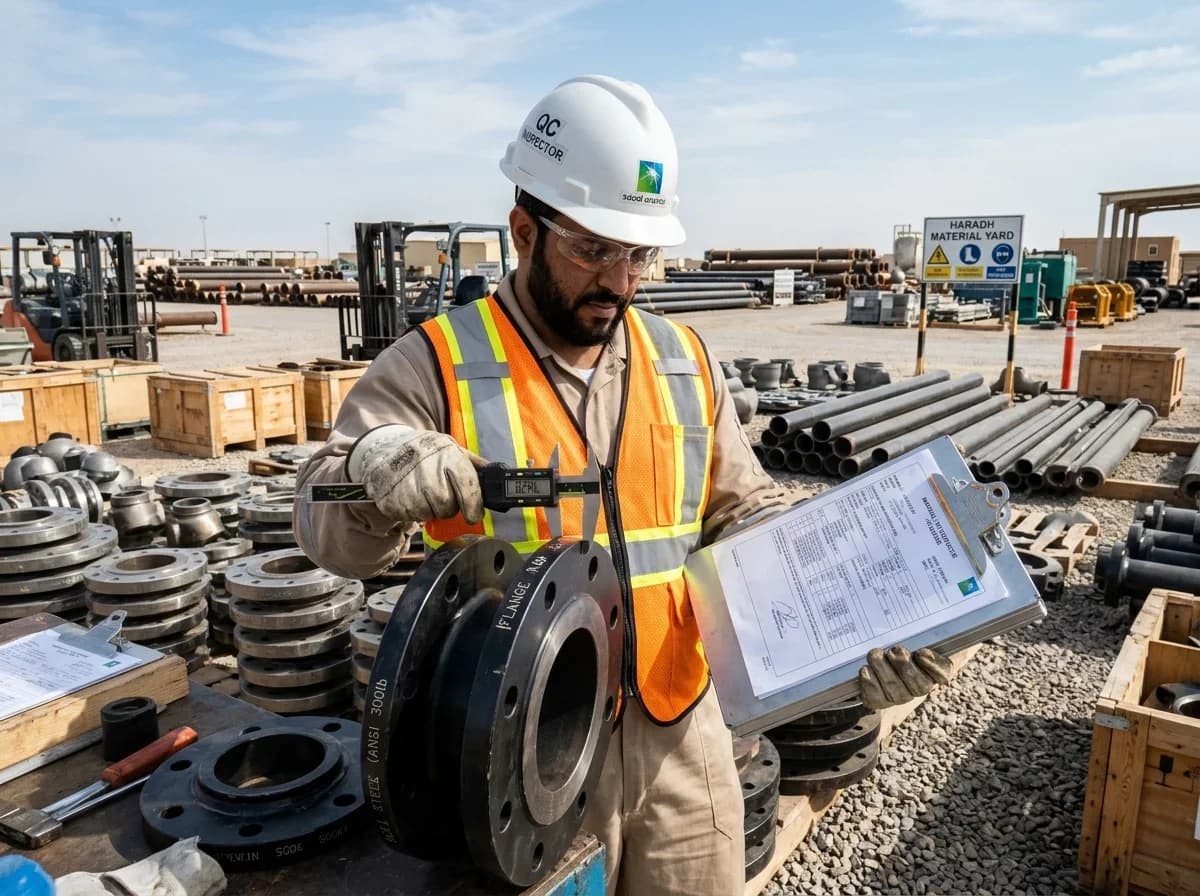
These checks are particularly relevant when several components must work together within one installation. Understanding the role of industrial material suppliers in project requirements helps businesses recognise why product information and sourcing decisions should be considered together. Clear specifications make it easier to compare quotations and assess whether the proposed items match the original requirement.
What Happens When a Material Requirement Changes?
Industrial projects do not always follow the original purchasing plan. Engineering revisions, changes in quantities or updated installation requirements can affect the materials needed at different stages.
When a requirement changes, procurement teams should review the order details rather than relying on the original product list.
Some important checks include:
Review the Revised Requirement
Identify exactly what has changed. It may involve the product type, quantity, dimensions or technical specification. The updated information should be clearly communicated to the supplier.
Check Product Compatibility Again
A replacement or alternative product should not be accepted based only on a similar description. Its technical characteristics must be reviewed against the revised project requirements.
Reassess the Required Quantity
Changes in design or installation scope may affect the amount of material needed. Updating quantities helps prevent ordering too much or too little.
Confirm the Revised Schedule
A change in material selection can also affect the expected supply date. Procurement and project teams should review the revised requirement alongside the work schedule.
These steps help maintain consistency between engineering decisions and purchasing activities.
Planning Material Orders Around Project Priorities
A project may require several categories of industrial materials, but they may not all be needed at the same time. Ordering everything together without considering the work sequence can create unnecessary storage requirements or make it harder to track critical items.
A more practical approach is to organise materials according to project priorities.
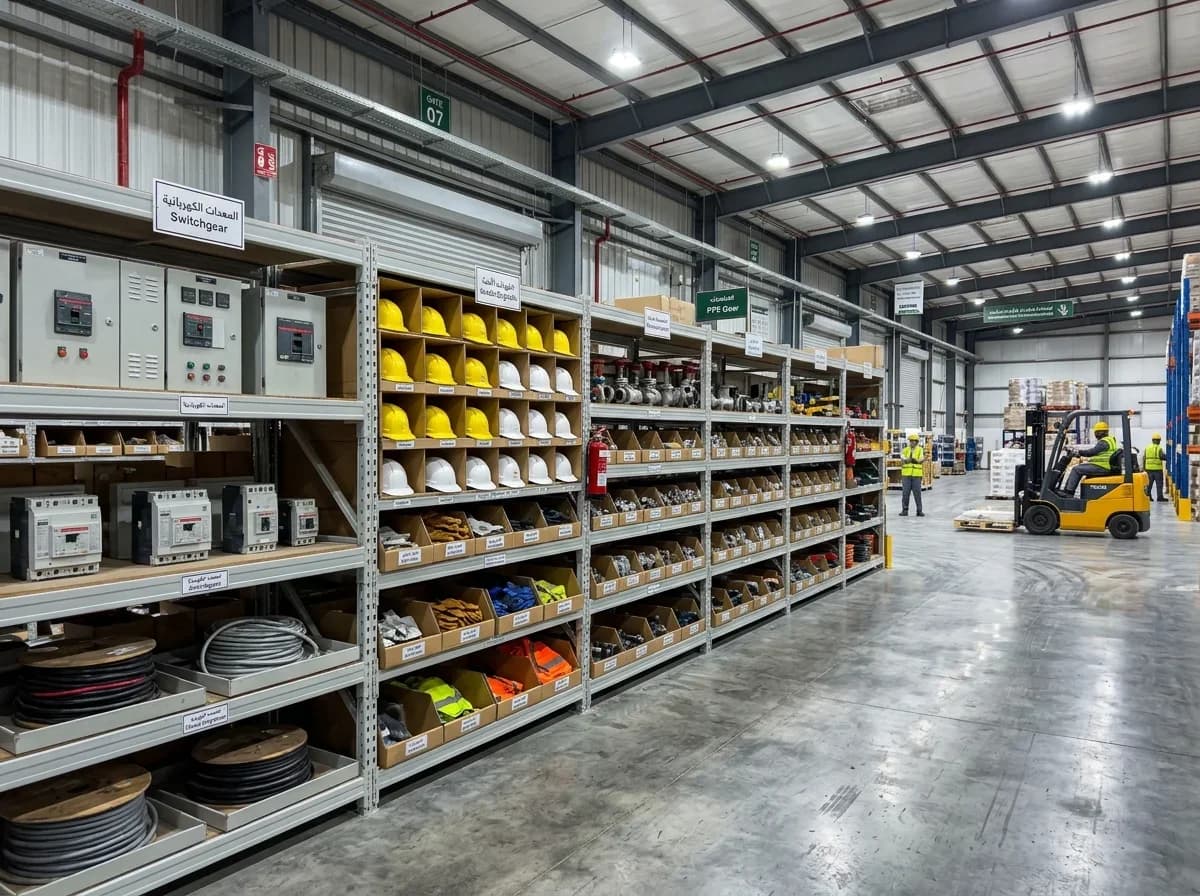
This type of planning also helps businesses examine the wider financial impact of purchasing decisions. The effect of supplier selection on project expenses is not limited to the quoted price. Product suitability, replacement needs, purchasing quantities and delivery arrangements can all influence the overall cost of obtaining materials.
Common Material Procurement Issues and How to Address Them
Material purchasing can become difficult when product requirements are unclear or project conditions change. Identifying possible issues early gives procurement teams an opportunity to review their approach before confirming orders.
| Procurement issue | Practical consideration |
|---|---|
| Incomplete product details | Prepare the technical description and required specifications before requesting a quotation. |
| Incorrect product selection | Compare the proposed item with the actual application and system requirements. |
| Quantity differences | Verify quantities against the latest material requirement list. |
| Product substitutions | Review technical compatibility before accepting an alternative. |
| Changes in project schedules | Communicate revised material dates and delivery expectations. |
| Incomplete records | Maintain organised quotations, order details and relevant product documentation. |
Material sourcing can also be affected by wider market and supply conditions. Understanding the challenges involved in industrial material trading gives businesses a broader perspective on why procurement planning needs to account for changing requirements and supply conditions. Having updated material information and clear communication procedures can help teams respond when circumstances change.
Material Trading Services in Hafar Al Batin by Prime Innovation
Prime Innovation offers industrial material trading services in Saudi Arabia, with a published product range covering pipes, valves, fittings and instrumentation. These categories address different requirements associated with industrial systems and project activities.
Businesses can approach Prime Innovation with enquiries involving:
When making an enquiry, businesses should provide the product description, technical specifications, quantity and intended application. This information helps establish what is required and allows the requested product details to be reviewed.
For companies undertaking industrial or construction activities in Hafar Al Batin, Prime Innovation can be contacted to discuss material requirements and confirm product availability, delivery feasibility and arrangements for the location.
Frequently Asked Questions
You've Got Questions, We'veGot Answers
Prime Innovation's published material trading categories include pipes, valves, fittings and instrumentation. The required products depend on the intended application and project specifications.
Planning an Industrial Material Requirement in Hafar Al Batin?
A well-prepared material enquiry gives procurement discussions a clear direction. Product descriptions, technical specifications and quantity details help establish what a project actually requires before purchasing decisions are made.
If your organisation needs pipes, valves, fittings or instrumentation for an industrial or construction project in Hafar Al Batin, share your material requirements with Prime Innovation.
Start with your material list. Let Prime Innovation review your industrial supply enquiry.
Provide the product details, required quantities and project location so the team can discuss the requested materials and confirm the next steps.
Connect with Our Material Sourcing Team in Hafar Al Batin
Submit your industrial material requirements for pipes, valves, fittings, and process instrumentation. Our team will review your specifications and provide quotation details.
