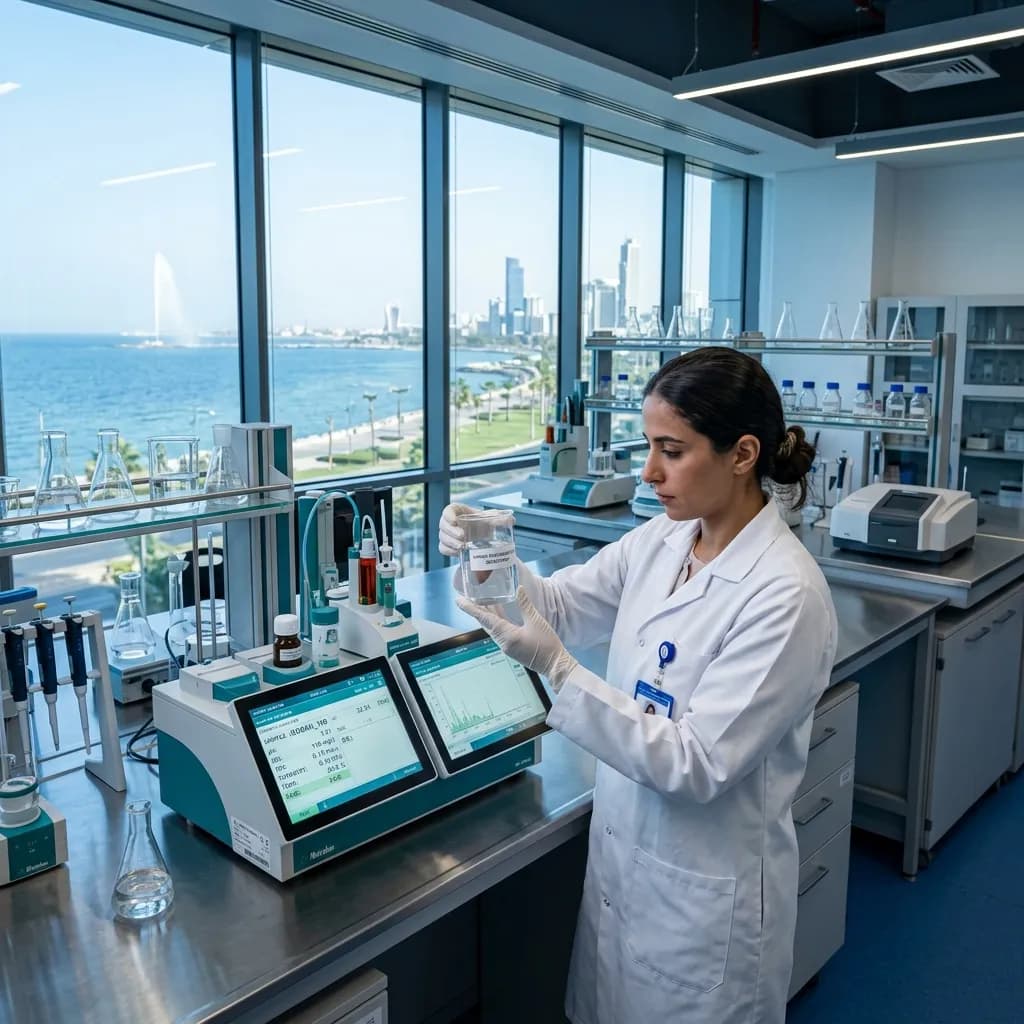
Water Quality Testing Companies in Jeddah
Water quality testing companies in Jeddah assess water across industrial systems, commercial facilities, and public supply networks to ensure compliance with required quality benchmarks.
How Water Quality is Evaluated
Water testing involves multiple layers of analysis depending on its intended use. Chemical assessment focuses on dissolved solids, hardness levels, and the presence of unwanted compounds. Microbiological testing is used to detect bacteria and pathogens that may compromise safety.
In industrial environments, additional parameters are evaluated to understand scaling potential, corrosion behavior, and compatibility with process systems. Each test is performed under controlled conditions to ensure that results accurately reflect real usage scenarios.
To support measurement stability, testing environments are aligned with Temperature, Pressure & Electrical Calibration ensuring instruments operate within defined limits during analysis.
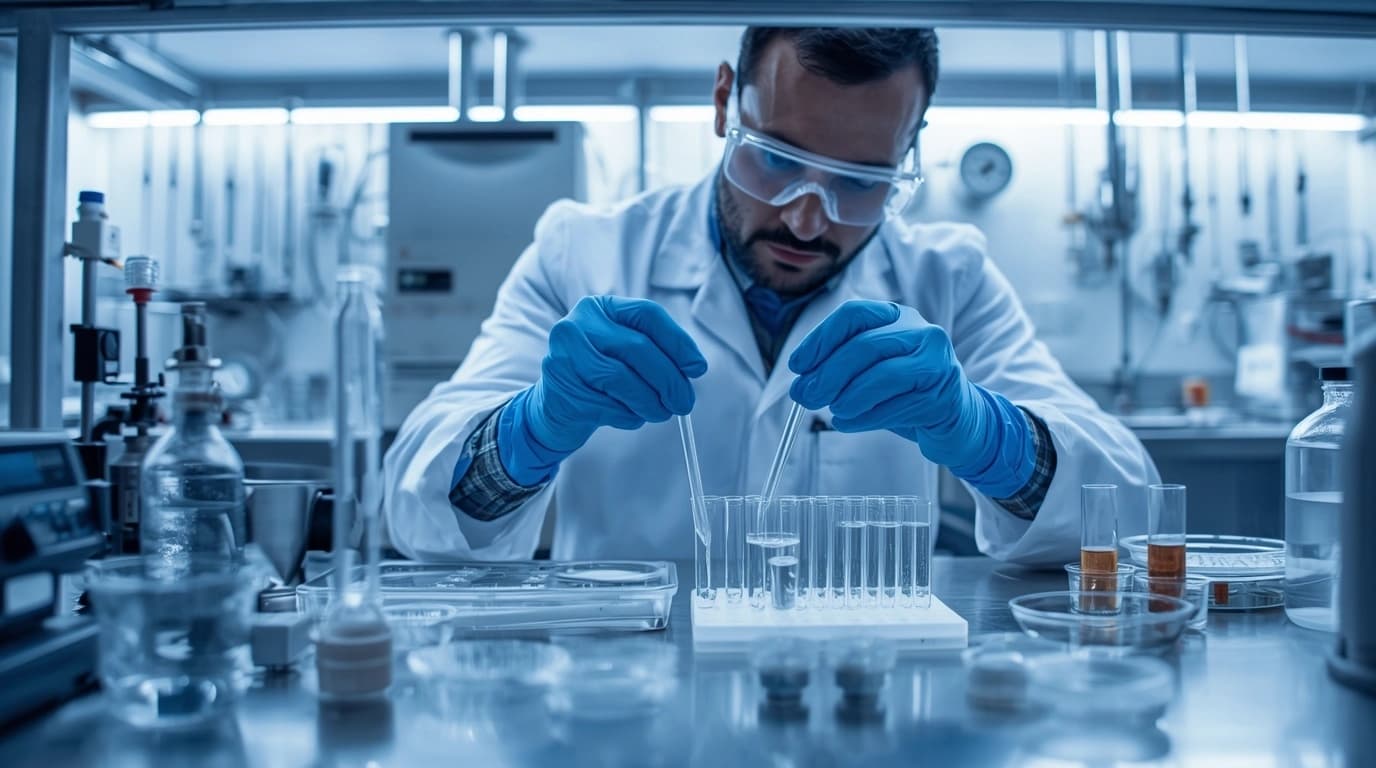
Where Water Testing is Applied in Jeddah
Water testing requirements in Jeddah vary based on sector and application. Industrial facilities require routine analysis of process and cooling water to avoid equipment damage and maintain efficiency. Construction projects use water testing to verify compliance before integrating water into structural or operational systems.
Healthcare environments depend on controlled water quality for hygiene and safety, while commercial buildings require periodic monitoring of potable water systems. Marine and port-related operations also require testing to meet environmental and operational requirements.
Across these applications, accuracy in measurement is maintained through Analytical Calibration to ensure reliable and repeatable outcomes.
Why Water Testing Matters in Jeddah
Water quality directly impacts system performance, safety, and long-term sustainability. In Jeddah, where water is extensively used across industries and public systems, maintaining controlled quality levels is essential.
Testing provides visibility into water conditions, allowing corrective actions to be taken before issues escalate. This helps maintain operational stability and ensures compliance with required standards.
Frequently Asked Questions
Water quality testing involves analyzing chemical, physical, and microbiological parameters such as pH, total dissolved solids, hardness, and bacterial presence to determine whether water is safe for use.
Connect with Water Quality Experts in Jeddah
