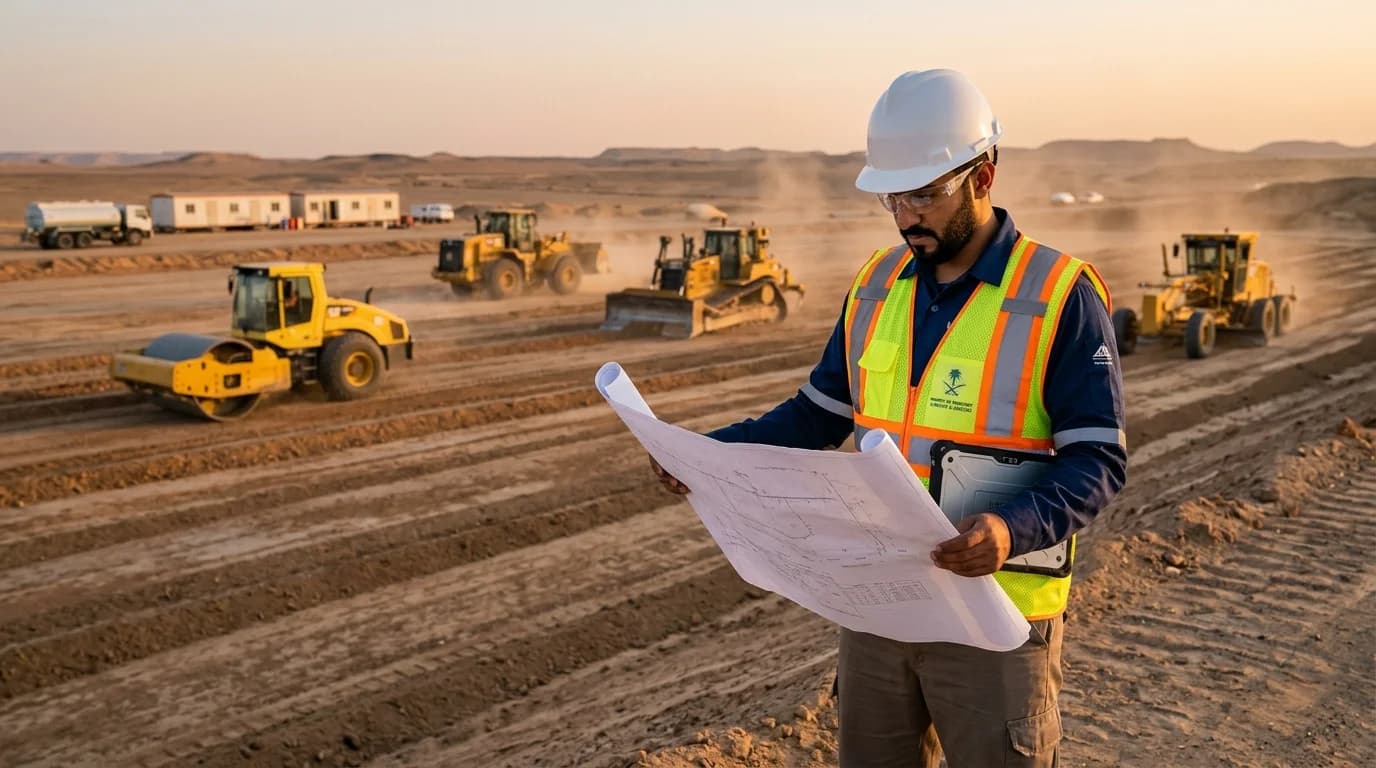
Civil Testing Services in Layla, Saudi Arabia
Prime Arabia Group provides comprehensive civil testing solutions in Layla, Saudi Arabia. Through soil, concrete, field, and construction material testing, we support contractors and engineering teams with accurate data for quality assurance and project compliance.
Importance of Civil Testing in Construction Projects
Construction quality depends on more than good design and workmanship. The condition of the ground, the quality of construction materials and the performance of concrete all influence the safety, stability and durability of a completed structure. Without proper testing, potential material or site-related issues may remain undetected until they affect construction progress or long-term performance.
Every construction project involves materials and ground conditions that must meet specific engineering requirements. Soil must provide suitable support for foundations, concrete must achieve the required performance, and construction materials must be appropriate for their intended applications.
Civil testing helps verify these conditions through established testing procedures and measurable results. It also allows project teams to identify potential quality concerns before they become more difficult or expensive to address.
Assessing ground conditions
Soil testing provides information about soil properties, strength, density and suitability for construction.
Verifying concrete quality
Concrete testing helps determine whether the material meets the specified strength and performance requirements.
Monitoring construction activities
Field testing helps check material placement, compaction and other site-related quality requirements.
Identifying potential defects
Testing can reveal material or construction-related concerns that may not be apparent through visual inspection alone.
Supporting project specifications
Test results provide technical information for evaluating materials against applicable engineering and contractual requirements.
Improving construction quality control
Consistent testing helps project teams monitor quality at different stages of construction.
Construction defects can begin with minor signs such as cracks, uneven surfaces, weak soil or inadequate compaction. These problems may point to underlying material or site conditions that require investigation. Recognising common quality issues in civil testing helps explain why timely material assessment and site testing are important during construction.
Civil Testing Services Offered by Prime Arabia Group
Prime's civil testing scope covers several important areas of construction quality verification. The appropriate tests are selected according to the project requirements, material type and applicable technical specifications.
1. Soil Testing Services
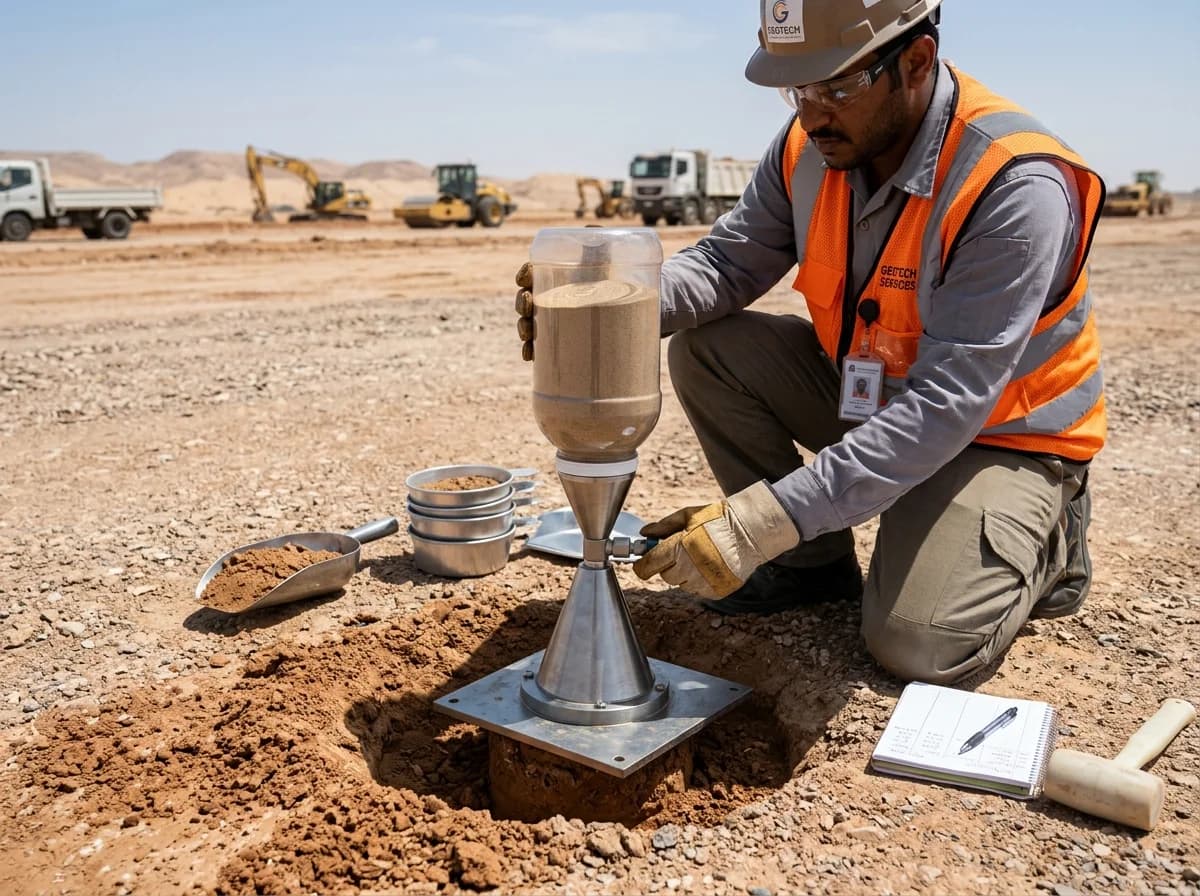
Soil characteristics significantly influence site suitability and the structural stability of foundations, roadways and other built infrastructure. Variations in moisture content, soil composition, density and strength can influence how the ground responds to applied loads.
Prime provides soil testing to help evaluate important soil characteristics and support geotechnical and construction-related decisions.
These tests provide useful information for site preparation, earthworks, backfilling and foundation-related construction activities.
2. Concrete Testing Services
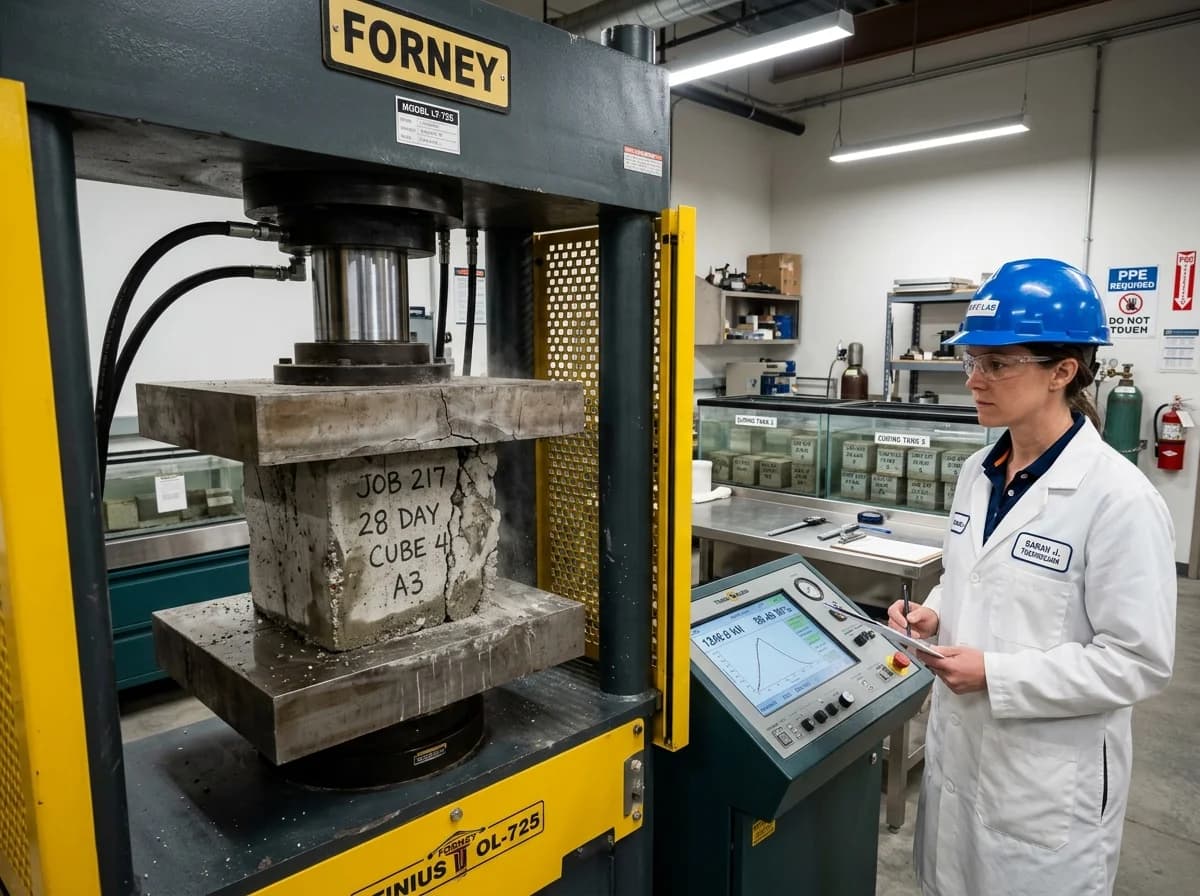
Concrete serves as a fundamental construction material in buildings, foundation systems, industrial developments, roadways and various infrastructure projects. Its performance depends on several factors, including mix proportions, material quality, placement, compaction and curing conditions.
Concrete testing helps determine whether the material meets the required quality and performance criteria throughout construction.
Reliable concrete test results help project teams evaluate material performance and identify potential quality concerns before they affect subsequent construction activities.
3. Field Testing Services
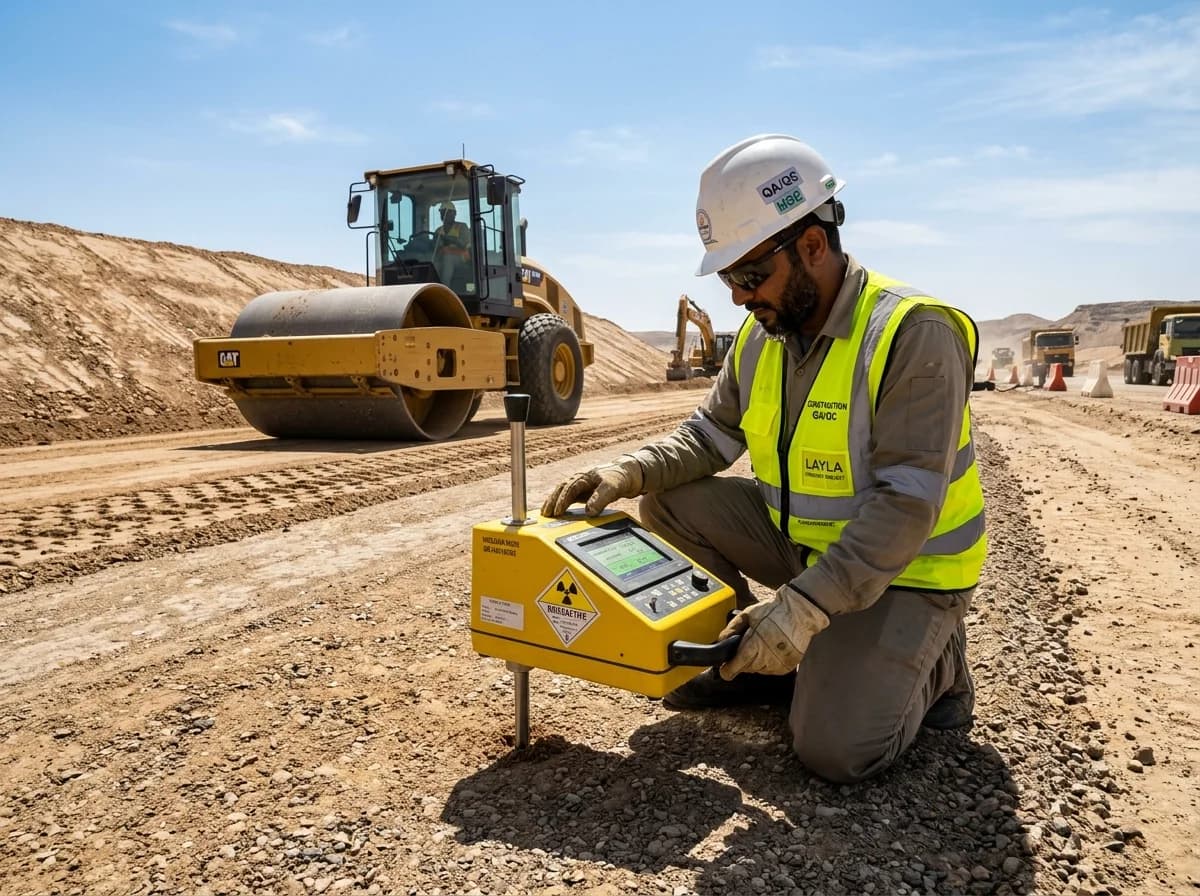
Laboratory testing provides valuable information about material properties, while field testing helps verify conditions directly at the construction site.
Prime's field testing services support construction monitoring and quality verification during project execution.
Field testing is particularly relevant during earthworks, backfilling, pavement preparation and other activities where material conditions must be checked before the next construction stage begins.
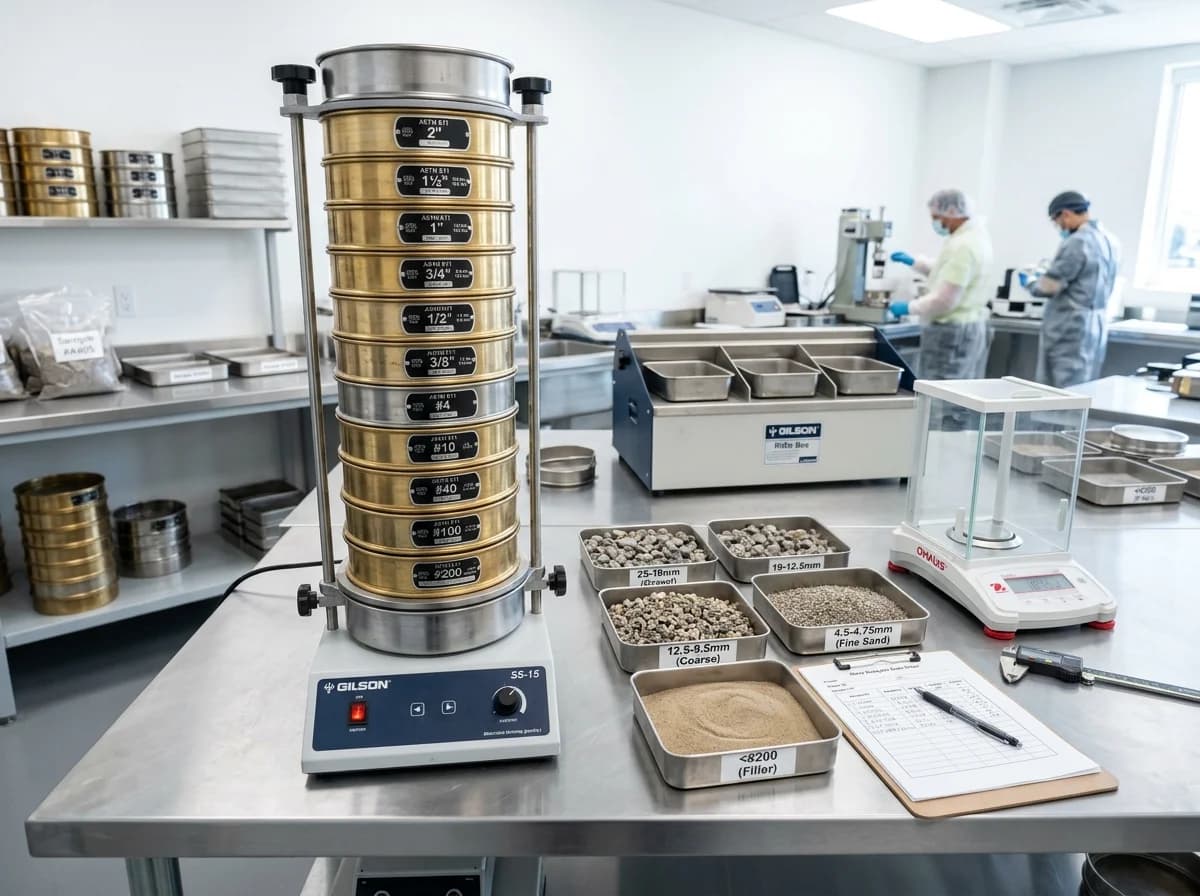
4. Construction Material Testing
The quality and performance of a completed structure largely depend on selecting construction materials that meet the required specifications and intended applications. Materials that do not meet the required specifications may contribute to inconsistent construction quality and premature deterioration.
Testing helps assess material properties and verify whether selected materials are suitable for their intended applications and project requirements.
How Civil Testing Supports Different Construction Stages
Civil testing is not limited to a single stage of construction. Testing requirements may arise during site preparation, material selection, construction execution and quality verification. A planned testing programme helps project teams obtain relevant information at the right stages.
Before Construction Begins
Initial soil assessment helps engineers understand ground conditions before foundation and site development decisions are finalised. Soil classification, moisture content, compaction characteristics and bearing-related evaluations may be considered according to project requirements.
During Earthworks and Site Preparation
Soil compaction and field density testing help verify whether placed soil and backfill materials achieve the required density. These checks are important before additional layers or structural elements are installed.
During Concrete Placement
Fresh concrete testing, including slump testing, helps evaluate workability and consistency before placement. Concrete samples may also be collected for compressive strength testing at specified intervals.
During Material Quality Verification
Aggregate, soil, backfill and other construction materials can be evaluated to determine whether they meet the relevant specifications.
During Quality Control and Project Evaluation
Testing records and reports provide measurable information that can help project teams review construction quality, investigate deviations and determine whether further action is necessary.
Why Soil and Concrete Testing Should Be Considered Together
Soil and concrete testing evaluate different aspects of construction quality, but both contribute to the performance of a completed structure.
Soil testing provides information about the ground that supports foundations, pavements and other construction elements. Concrete testing evaluates the properties of the material used to build those elements.
For example, a foundation requires suitable ground conditions as well as concrete that meets the specified strength requirements. Similarly, road construction depends on appropriate subgrade conditions, proper compaction and suitable construction materials.
Understanding how soil and concrete testing contribute to construction quality helps project teams consider both ground conditions and material performance when planning their testing requirements.
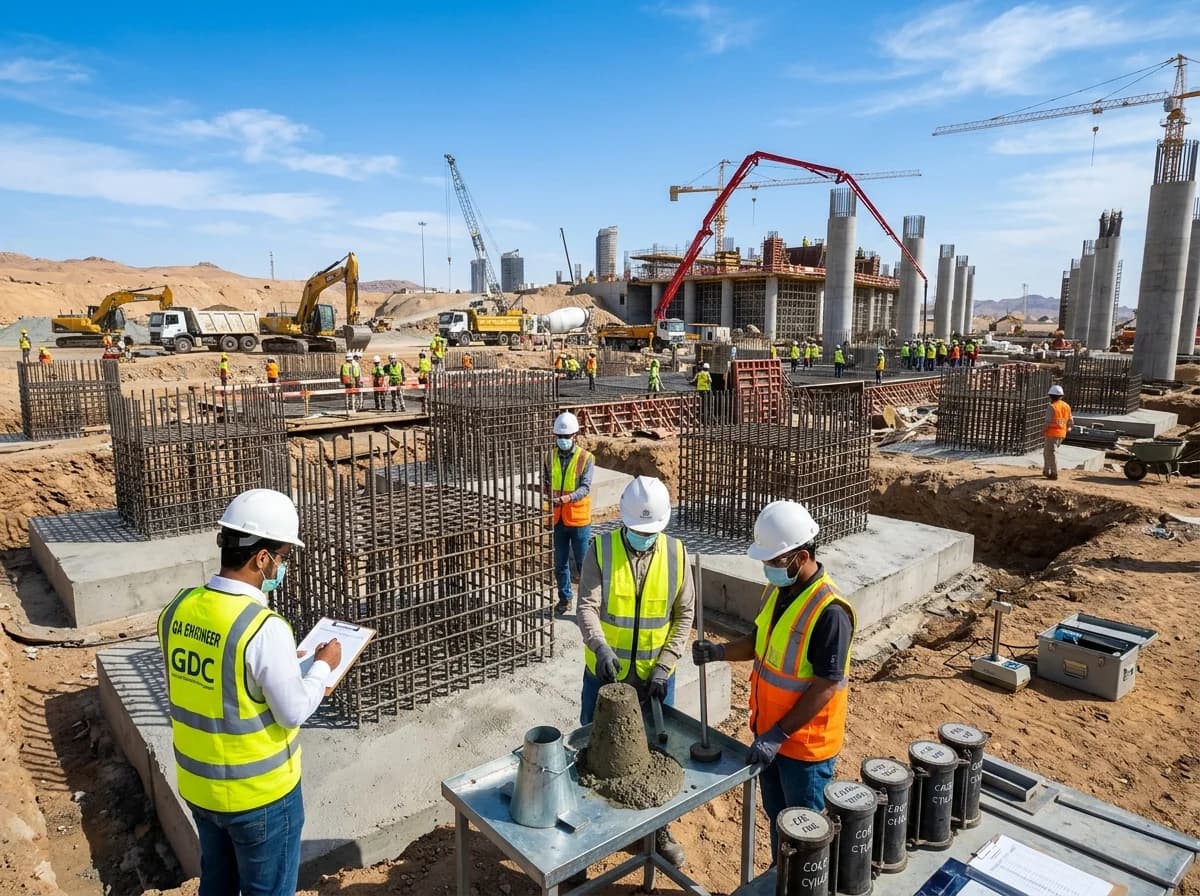
Civil Testing Services in Layla for Construction Quality Assurance
Construction projects in Layla require appropriate evaluation of site conditions, materials and construction activities according to their individual engineering specifications. Soil characteristics, material properties and concrete performance should be assessed based on the intended application and project requirements.
Prime Arabia Group supports construction and infrastructure-related quality requirements through its civil testing service scope. Its testing solutions are relevant to contractors, developers, engineering teams and project stakeholders who require technical information for construction material verification and site quality control.
Whether the requirement involves soil evaluation, concrete strength verification, field density testing or construction material assessment, the testing scope should be established according to the project specifications and applicable standards.
For organisations looking for Civil Testing Services in Layla, identifying the required tests at the planning stage can help coordinate quality checks throughout construction and support more informed engineering decisions.
Why Choose Prime Arabia Group for Civil Testing?
Prime Arabia Group provides industrial and technical services with an emphasis on accuracy, quality and dependable support. Its civil testing capabilities cover key construction materials and site-related evaluations that support quality assurance across construction and infrastructure activities.
Prime's approach focuses on understanding the testing requirements of each project and selecting relevant testing procedures according to the material, application and specified acceptance criteria.
Relevant Technical Information
Obtain reliable technical information about construction materials to verify compliance with required engineering standards.
Soil and Ground Evaluation
Evaluate soil and ground conditions accurately to support safe foundation design and effective site earthworks.
Concrete Property Verification
Verify fresh and hardened concrete properties against project specifications for strength and durability.
Compaction and Quality Monitoring
Monitor compaction and material quality during active construction stages to prevent settlement and surface issues.
Testing Documentation
Maintain comprehensive testing documentation and formal test records for ongoing quality control activities.
Measurable Engineering Support
Support engineering decisions, quality audits, and contractor sign-offs with measurable, standardized test results.
The appropriate service scope can be discussed with Prime based on the project's location, materials, testing requirements and technical specifications.
Contact Prime Arabia Group for Civil Testing Services in Layla
Reliable construction begins with a clear understanding of ground conditions and material quality. Soil testing, concrete evaluation, field testing and construction material verification all contribute to informed engineering decisions and effective quality control.
If your project requires Civil Testing Services in Layla, Saudi Arabia, contact Prime Arabia Group to discuss your testing requirements and project specifications. Visit Prime Arabia Group to explore its civil testing capabilities and submit your enquiry.
Frequently Asked Questions
Civil testing services involve evaluating soil, concrete and other construction materials to determine their properties, quality and suitability for specific applications. These tests provide technical information that supports construction quality control and engineering decisions.
Get In Touch
